Best Photo Spots Along Movie Road, Alabama Hills
Route Overview & Location
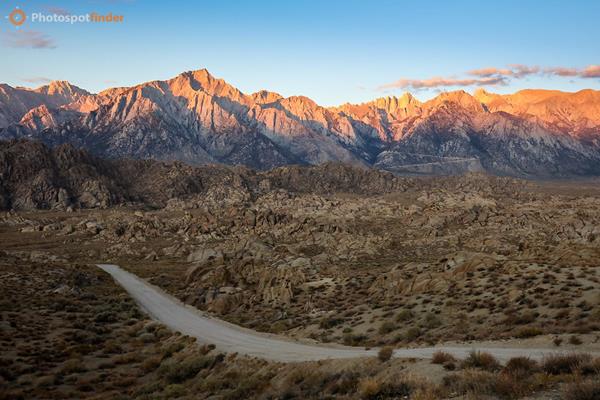
Movie Road is located in the Alabama Hills, an iconic area nestled just outside the town of Lone Pine, California, within the Owens Valley. The road itself is a relatively short but visually packed drive that stretches roughly 5 miles from the intersection with Highway 136 to the foothills of the Sierra Nevada mountains. This scenic route provides an immersive journey through a range of terrain types, including dry, cracked desert plains and rocky, high-altitude foothills. Along the way, photographers are treated to an up-close view of the Alabama Hills' unique rock formations, including prominent features like Mobius Arch, Heart Arch, and Boot Arch.The Alabama Hills and Movie Road are renowned for their role in Hollywood filmmaking. Starting in the early 20th century, filmmakers began using the rugged, expansive terrain as a backdrop for numerous films and television shows. Its striking rock formations and vast vistas made it a go-to location for representing the American frontier. Some of the most iconic film scenes shot here are still instantly recognizable, making it a fascinating destination for both photographers and film buffs.
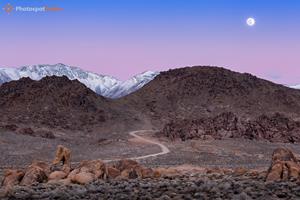
The route’s location just east of the Sierra Nevada creates a stunning contrast between the jagged mountain peaks and the softer, smoother desert landscape. The light here changes rapidly, offering a variety of moods throughout the day—early mornings and late afternoons are especially dramatic, with long shadows and warm tones casting across the landscape. The area is accessible year-round, though winter months can bring snow to the Sierra crest, creating even more dramatic contrasts in your photos. Be aware that the road is unpaved, so be sure to check the road conditions before heading out. For the best lighting, aim to photograph during the golden hours around sunrise and sunset, though midday can work for dramatic shadows and more stark contrasts.
Top Photography Stops Along the Route
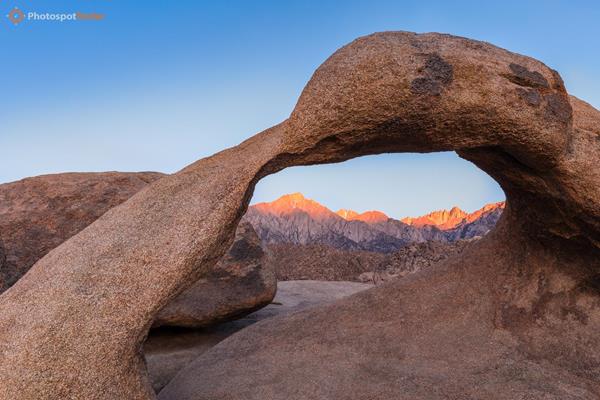
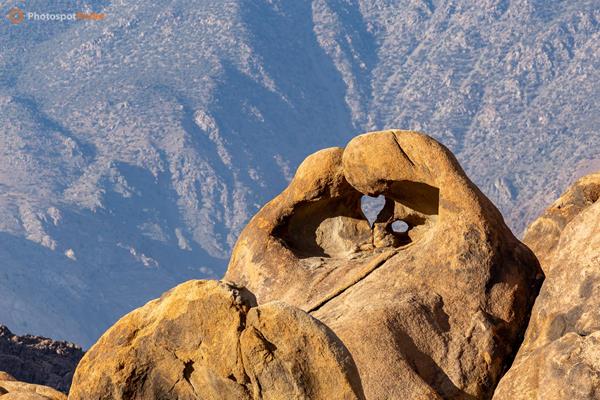
Mobius Arch: Mobius Arch is one of the most photographed spots in the Alabama Hills. This unique rock formation frames the majestic peaks of Mount Whitney, the highest mountain in the contiguous United States. The arch’s distinct shape, combined with the surrounding boulders and panoramic views, creates an extraordinary composition. The best time for photography here is early in the morning or late afternoon, when the arch is illuminated by soft, golden light. Sunrises, in particular, can result in dramatic skies and long shadows, enhancing the arch’s shape. The nearby trailhead provides easy access to the arch, making it a must-see stop along Movie Road.Heart Arch: Heart Arch offers another iconic photography opportunity in the Alabama Hills. Its natural heart-shaped opening makes for a romantic, captivating subject to frame a distant mountain view, such as Mount Whitney. The arch stands out due to its unique shape and the way it interacts with the surrounding landscape. For the most striking images, consider shooting during sunset or sunrise when the light can enhance the contrast between the arch’s shadowed sides and the warm, glowing horizon. This location is also easy to access from a small pullout along Movie Road.
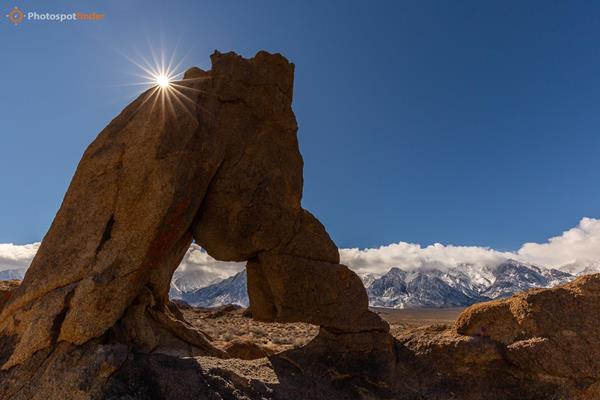
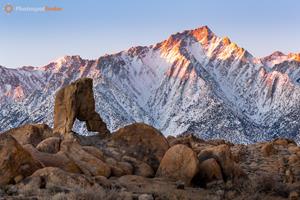
Boot Arch: Boot Arch is a smaller, less-visited arch along Movie Road that provides excellent opportunities for both wide-angle shots and detailed close-ups. Framing the arch with surrounding desert vegetation or distant mountain ranges can yield stunning compositions. Boot Arch is perfect for photographers looking to isolate their subject in an almost surreal setting. As with other arches along the route, the best lighting is early or late in the day. The warm colors of the surrounding desert rocks contrast beautifully with the cooler tones of the sky, especially at sunset.
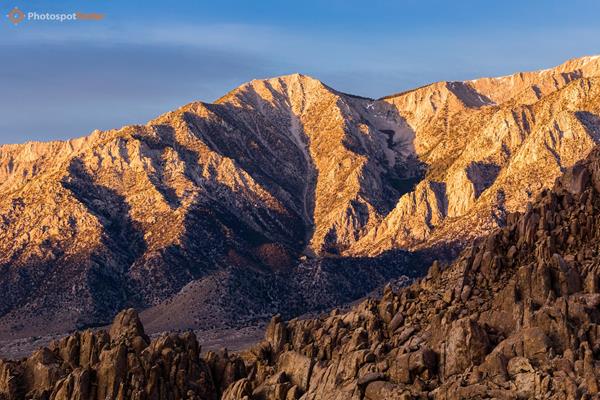
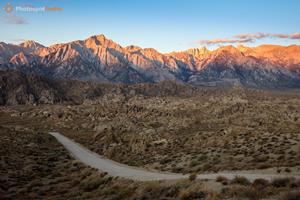
Alabama Hills Overlook: Located just before the entrance to the Alabama Hills, this overlook offers an expansive view of the area, including prominent rock formations and Mount Whitney. The viewpoint is an excellent spot for wide-angle shots that capture the vast scale of the Alabama Hills with the mountains as a dramatic backdrop. This stop is especially appealing at sunrise when the soft light adds depth to the rocky foreground and the rising sun highlights the contours of the Sierra Nevada.
Movie Flat Road Junction: The junction where Movie Road intersects with Movie Flat Road provides a great vantage point for photographing the stark contrast between the rugged desert landscape and the towering peaks of the Sierra Nevada. The view here stretches toward the Owens Valley and makes for striking wide-angle compositions. As the afternoon light shifts, you’ll notice how the rocky outcrops are bathed in warm hues, offering an ideal opportunity to capture the desert's textures and colors.
Photography Considerations
When photographing along Movie Road, consider using foreground elements like boulders, shrubs, or arches to create depth and guide the viewer’s eye into the frame. The road’s varied topography, from flat desert expanses to rocky outcrops, provides ample opportunities to incorporate leading lines or layers into your compositions. Always be mindful of the light direction—early morning and late afternoon are ideal for softer, warmer light, while midday can offer more defined shadows and contrast.A wide-angle lens will be your go-to for capturing the expansive landscapes, while a telephoto lens can help isolate specific features, such as distant peaks or unique rock formations. A tripod is essential for low-light conditions, and long exposure shots can create stunning effects with passing clouds or gentle winds. Don’t forget to bring a polarizer to enhance the contrast between the sky and rocky surfaces, especially on clear days.
Panoramic shots work particularly well along Movie Road, where sweeping views of the Sierra Nevada and the Alabama Hills create dramatic, wide vistas. Experiment with shooting from different angles to highlight the juxtaposition of rugged desert terrain and towering mountains.
Visitor Tips & Key Notes
When planning a photography trip to Movie Road, be sure to bring plenty of water, as the area can get quite hot, especially during summer. The road is unpaved, so a vehicle with good clearance is recommended, though many photographers visit with standard cars without issue. Weather conditions can vary dramatically—be prepared for sudden temperature changes, and keep an eye on the forecast, as snowstorms in winter can offer a completely different perspective on the landscape.For safety, always stay aware of your surroundings. The rocks along the route can be slippery, and some areas may be difficult to access without careful planning. Traffic can also increase during peak hours, so consider visiting early in the morning to avoid crowds and capture the best light. The variety of terrain and lighting conditions along Movie Road make it a fantastic route to revisit throughout the year, as each season brings unique photographic opportunities. Explore the interactive map to plan your stops and discover new perspectives.