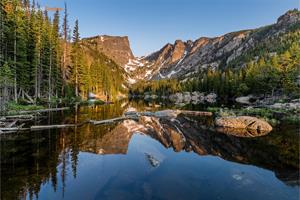
Best Photo Spots Along the Bear Lake->Dream Lake->Lake Haiyaha->Emerald Lake Trail, RMNP
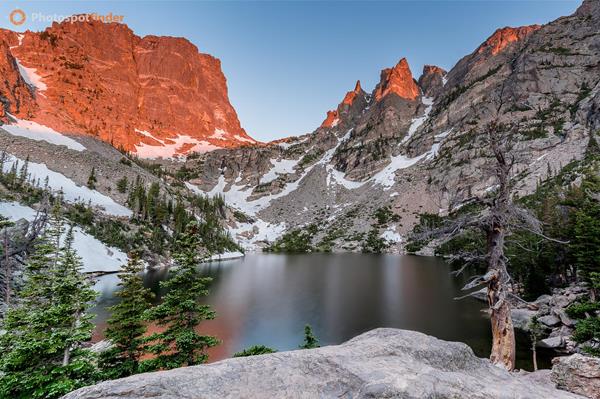
The trail’s popularity is balanced by its strong orientation toward east-facing slopes, making it particularly well suited for early morning photography. Seasonal transitions significantly alter the visual experience, with open water, shoreline ice, snow cover, and changing water color creating new compositions throughout the year. The close proximity of these four lakes allows photographers to work deliberately with light, weather, and foreground elements without committing to a long or remote backcountry hike.
Route Overview & Location
The Bear Lake–Dream Lake–Lake Haiyaha–Emerald Lake Trail is located in the Bear Lake area of Rocky Mountain National Park in northern Colorado. The route begins at the Bear Lake Trailhead along Bear Lake Road, one of the park’s most accessible and heavily visited corridors. From the trailhead, the path climbs into the eastern Front Range of the Rocky Mountains, passing through subalpine forest and into alpine basins beneath Hallett Peak, Flattop Mountain, and the Tyndall Glacier.The round-trip distance varies depending on whether Lake Haiyaha is included. The hike to Emerald Lake is approximately 3.6 miles round trip, while adding Lake Haiyaha brings the total closer to 4.5–5 miles, with a total elevation gain of roughly 1300 feet. The trail surface transitions from well-maintained dirt near Bear Lake to rocky granite steps and uneven terrain near Lake Haiyaha and Emerald Lake. Elevation and exposure increase steadily, influencing both weather and lighting conditions.
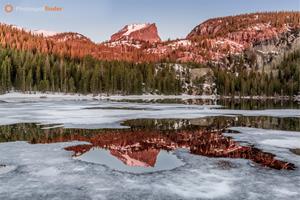
Seasonal changes strongly affect photographic potential. Summer offers clear access and vibrant alpine colors, fall introduces limited but striking foliage near the lower sections, and winter transforms all four lakes into snow- and ice-dominated scenes. Morning light is generally ideal due to the trail’s orientation, while afternoon conditions often bring clouds or storms that add atmosphere but limit visibility.
Top Photography Stops Along the Trail
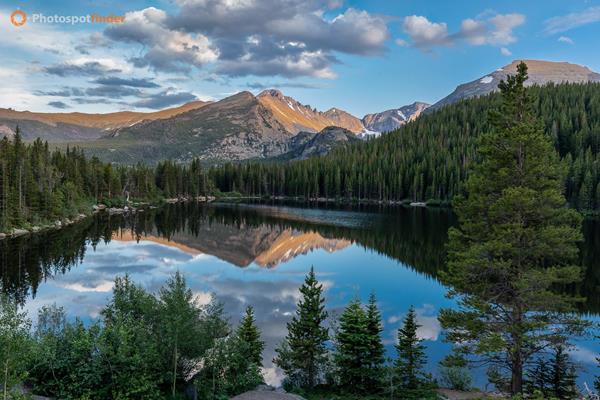
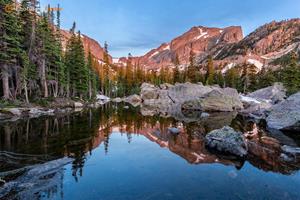
Bear Lake: Located immediately at the trailhead, Bear Lake provides an accessible alpine scene framed by subalpine forest and surrounding peaks. Calm conditions at sunrise allow for reflections of Hallett Peak and the surrounding ridgeline, while shoreline ice and snow add strong foreground textures in colder months. The flat perimeter trail makes it easy to explore multiple angles without committing to the full hike.Dream Lake: Reached after approximately one mile of steady climbing, Dream Lake is one of the most iconic photographic locations in the park. The eastern shoreline offers direct views toward Hallett Peak, with calm morning water producing clean reflections. Seasonal ice patterns, snow-covered trees, and low clouds frequently enhance depth and mood, especially during early morning or changing weather.
Lake Haiyaha: Reached via a spur trail branching near Dream Lake, Lake Haiyaha sits in a rugged granite basin characterized by massive boulders and steep rock walls. The shoreline provides strong foreground opportunities using angular rocks leading toward the lake’s often turquoise-toned water. Light shifts rapidly here due to surrounding terrain, rewarding patience and repeated visits under different conditions.
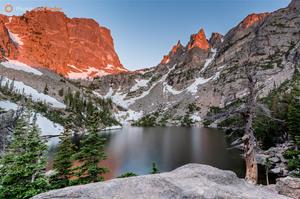
Emerald Lake: The final lake along the main trail rests within a dramatic alpine cirque below Flattop Mountain and Hallett Peak. Its higher elevation and enclosed setting create bold compositions with steep rock faces rising directly from the water. In calm conditions, reflections can be striking, while snow, ice, or wind add texture and movement. The basin’s orientation makes sunrise particularly effective, with first light gradually illuminating the surrounding peaks.
Photography Considerations
Photographers along this route should be prepared for rapidly changing light and terrain. Wide-angle lenses are effective at all four lakes for capturing expansive views and strong foreground elements, while short telephoto lenses help isolate peak reflections, shoreline textures, and alpine details. Using rocks, ice formations, shoreline curves, and granite slabs as foreground elements adds scale and depth to lake compositions.Early morning light minimizes glare on the water and enhances reflections, particularly at Bear Lake, Dream Lake, and Emerald Lake. Weather transitions, including fog, snowfall, or moving cloud layers, can dramatically change scene character within minutes. A tripod is useful for low-light conditions near sunrise, long exposures at lake outlets, and careful framing on uneven granite surfaces. Working each location slowly and revisiting viewpoints as light evolves often yields the strongest results.
Visitor Tips & Key Notes
The Bear Lake area requires early arrival, especially during peak seasons, due to parking limitations and timed entry requirements. Shuttle access can reduce logistical challenges and allow more flexibility with timing. Trail conditions vary seasonally, with snow and ice persisting well into spring and early summer, often enhancing photographic interest but requiring traction devices.Weather at elevation can change quickly, making layered clothing and protective gear for camera equipment essential. While the hike remains relatively short, the concentration of alpine scenery and changing light conditions makes repeat visits worthwhile. Photographers can explore our interactive map, images, and additional resources to efficiently plan their shoots, and are encouraged to share experiences or insights in the comment section.