Best Wildlife Photography Spots on Southern California Coast
Location & Landscape
The Southern California Coast stretches from Ventura County through San Diego County, shaped by the Pacific Ocean and a Mediterranean climate. Coastal wetlands such as Bolsa Chica Ecological Reserve and Sweetwater Marsh concentrate birdlife around tidal channels and mudflats. Rocky shorelines at La Jolla Cove and Point Loma support seabird nesting sites and haul-out areas for sea lions. Sandy beaches and estuaries, including Malibu Lagoon, act as seasonal stopovers for migrating shorebirds.Winters bring migrating waterfowl and seabirds to protected lagoons, while spring and summer see breeding colonies and increased marine mammal activity. Morning marine layers often soften light along the coast, with clearer conditions later in the day. Access is generally easy, with boardwalks, coastal trails, scenic pullouts, and designated overlooks offering stable shooting positions close to wildlife activity.
Top Wildlife Photo Opportunities
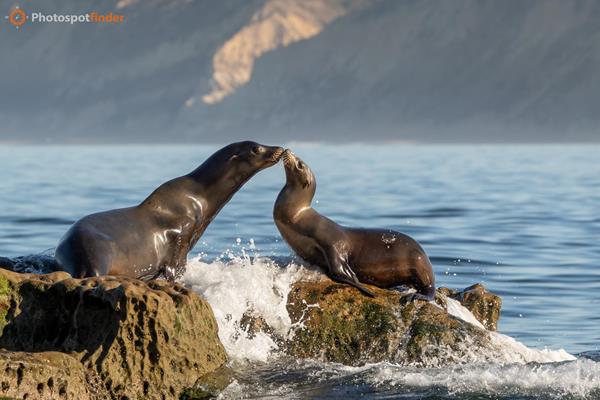
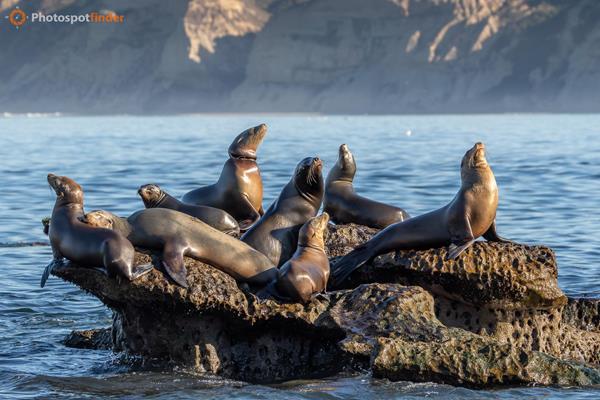
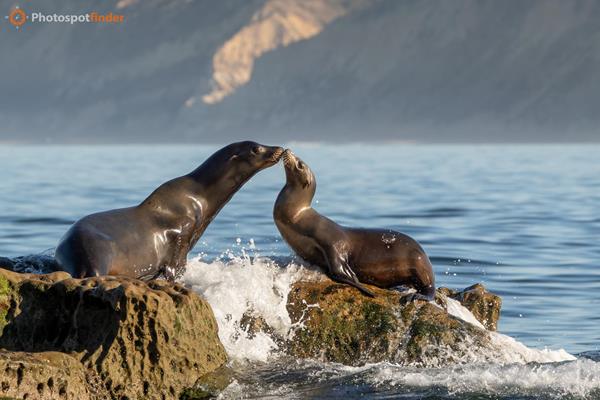
Bolsa Chica Ecological Reserve – Mesa Trail and North Loop: The Mesa Trail and North Loop border tidal channels and mudflats that attract herons, egrets, terns, and migratory shorebirds. Shallow water and exposed banks concentrate feeding activity during low tide. Early morning provides calm conditions and clean side light from the east. Winter and spring are strongest for bird diversity. Photographers work from trail edges and viewing platforms, where birds forage, preen, and take flight across open water.La Jolla Cove – Coastal Walk and Sea Lion Rookery: The sandstone cliffs and small beaches at La Jolla Cove host a large population of California sea lions. The protected cove also attracts pelicans, cormorants, and gulls using nearby rocks for roosting. Late afternoon light illuminates the cliffs and water surface. Summer is peak season for marine mammal behavior. Shooting from elevated walkways allows safe angles as sea lions rest, vocalize, and enter the water.
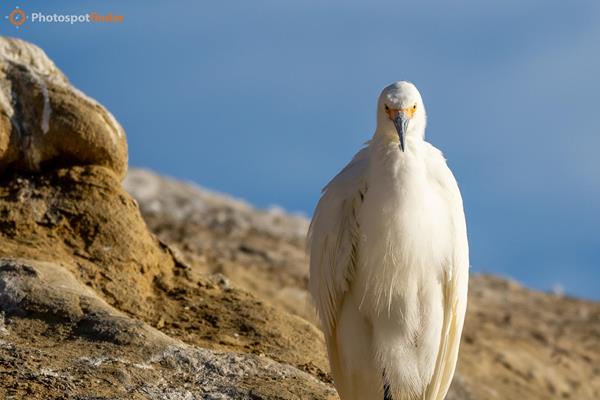
Malibu Lagoon State Beach – Lagoon Overlook and Boardwalk: The lagoon’s freshwater and tidal mix supports ducks, grebes, snowy egrets, and occasional raptors. Calm water creates reflections during early morning. Fall and winter bring increased bird numbers. Photographers position along the boardwalk and overlook to capture feeding and takeoff behavior with coastal hills as background. Light shifts quickly as fog clears, rewarding flexible timing.
Cabrillo National Monument – Bayside Trail and Tidepools: The Bayside Trail overlooks kelp forests and rocky shoreline where pelicans, cormorants, and gulls follow fishing activity. During winter low tides, tidepools reveal smaller coastal species. Morning light highlights birds gliding along cliff edges. Photographers work from trail overlooks and stable rock platforms, capturing flight paths, diving behavior, and interactions with ocean swells.
Across all spots, light angle, tide timing, and patience strongly influence wildlife behavior and photographic success.
Photography Considerations
Strong compositions often include ocean textures, cliffs, or wetland vegetation to place animals in context. Clean backgrounds are easiest at lower tides or from elevated viewpoints. Early morning and late afternoon provide softer light and increased animal activity, while overcast coastal conditions help manage contrast. Weather changes quickly near the ocean, so lens hoods and protective covers are useful.A telephoto lens in the 400–600mm range allows tight framing without disturbing wildlife, while a tripod or monopod improves stability during long sessions. Fast shutter speeds are essential for birds in flight and marine mammal movement. Continuous autofocus and burst shooting increase keeper rates. Staying low and anticipating movement patterns improves natural-looking poses.