Best Wildlife Photography Spots in Colorado National Monument
Location & Landscape
Colorado National Monument rises abruptly from the Grand Valley, transitioning from desert scrub to sheer sandstone cliffs and narrow canyons. Elevation changes create varied microhabitats within a compact area. Rim Rock Drive follows the plateau edge, providing access to overlooks and canyon heads where wildlife moves between feeding and shelter areas. Pinyon-juniper woodlands dominate the upper plateau, while canyon bottoms support riparian vegetation after seasonal moisture.Wildlife activity is strongest during spring and fall when temperatures are moderate. Summer heat shifts movement to early morning and evening. Many wildlife encounters occur near pullouts, short trails, and canyon entrances, making roadside photography productive throughout the monument.
Top Wildlife Photo Opportunities
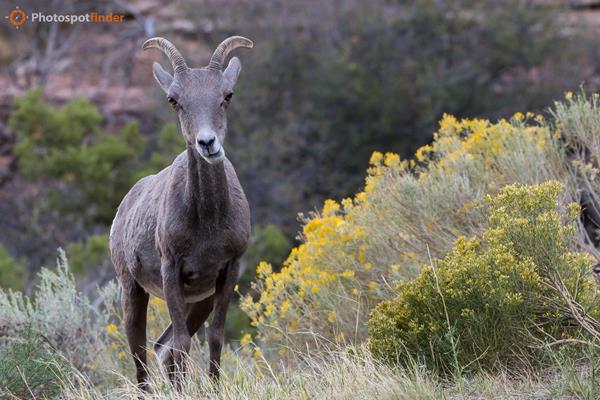
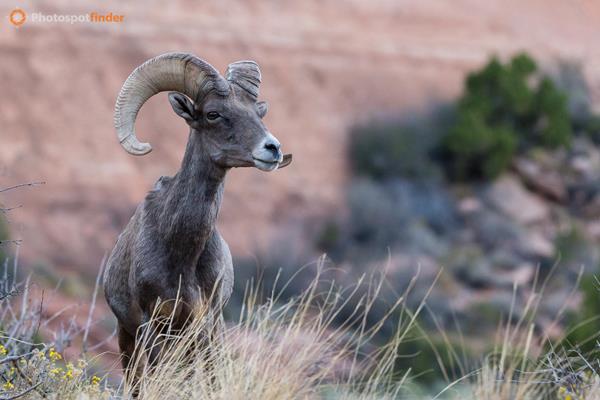
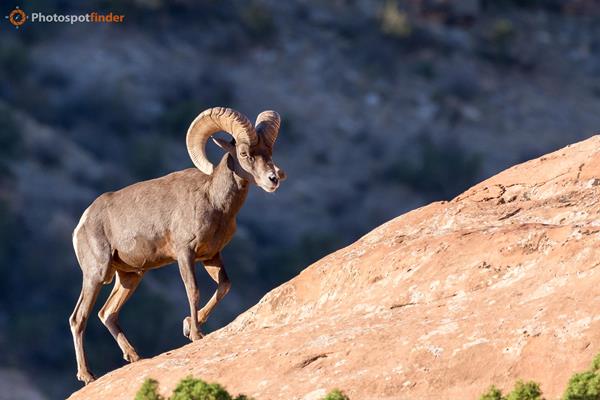
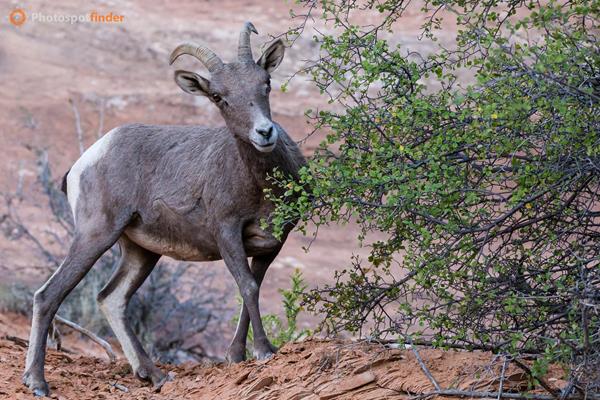
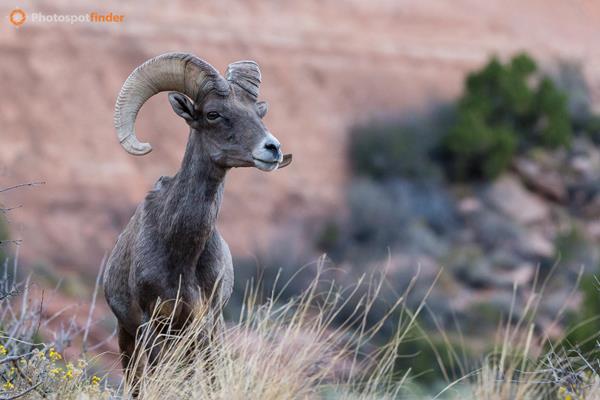
Rim Rock Drive – Balanced Rock Pullouts: The cliffs and ledges near Balanced Rock attract desert bighorn sheep that move between grazing areas and steep escape terrain. Early morning and late afternoon provide side lighting along canyon walls. Spring and fall offer the most consistent sightings. Photographers work from roadside pullouts, capturing sheep navigating ledges, interacting in small groups, and silhouetted against canyon backdrops.Saddlehorn Area – Alcove Nature Trail Vicinity: Pinyon-juniper woodland around Saddlehorn supports mule deer, coyotes, and a variety of songbirds. Shaded cover and nearby water sources draw animals during cooler hours. Morning light filters through trees, creating soft contrast. Photographers position along trail edges and clearings to capture feeding and alert behavior within woodland settings.
Monument Canyon – Coke Ovens Trail Area: Rocky outcrops and canyon vegetation attract canyon wrens, rock squirrels, and raptors riding thermal currents. Mid-morning light illuminates cliff faces. Spring is productive for bird activity. Photographers work from trail overlooks and canyon rims, capturing flight paths, perching behavior, and interactions with the canyon environment.
Ute Canyon Overlook – Rim Edge Pullouts: Open rim edges provide vantage points for photographing soaring birds such as golden eagles and prairie falcons. Afternoon thermals increase flight activity. Photographers position near rim pullouts, using long lenses to track birds circling below eye level against layered canyon walls.
Across the monument, patience and awareness of light angle strongly influence wildlife photography results.
Photography Considerations
Desert wildlife photography benefits from using canyon walls and open sky to simplify backgrounds. Shooting slightly downward from rim edges helps isolate subjects against rock textures. Early morning and late afternoon light are essential for managing contrast and revealing texture in red rock formations.Telephoto lenses between 300–600mm cover most wildlife encounters, with lighter setups preferred for moving between pullouts. Tripods are useful at overlooks but less practical along narrow trails. Fast shutter speeds help capture birds in flight and agile mammals on steep terrain. Continuous autofocus improves tracking against complex backgrounds.