Best Landscape Photography Spots on Southern California Coast
Location & Landscape
The Southern California coast stretches from Malibu to the U.S.–Mexico border, encompassing a variety of coastal terrains, including cliffs, beaches, tidepools, sea caves, and coastal reserves. The Pacific Ocean shapes the shoreline with dynamic surf, reflective waters, and fog patterns, while inland coastal bluffs provide elevated viewpoints.Access is primarily via scenic coastal highways and parking areas at beaches, state parks, and trailheads. Seasonal changes dramatically influence lighting and composition: summer offers long daylight and vibrant sunsets, fall provides softer tones and fewer crowds, winter brings stormy skies and dramatic surf, and spring introduces wildflowers on coastal bluffs. Early morning and late afternoon light is ideal for highlighting textures in cliffs, sand, and ocean waves. Trails and beach access vary from easy strolls to moderate hikes, so appropriate footwear and layered clothing are recommended.
Top Photo Opportunities
Robert H. Meyer Memorial Beach: A secluded beach framed by cliffs and rocky outcrops. Sunrise and sunset provide warm light and long shadows, while tidepools and sand patterns offer foreground interest.Leo Carrillo State Park: Rocky coastlines, tidepools, caves, and cliffs provide dramatic seascapes. Long exposures capture smooth water, and stormy skies create striking atmospheres.
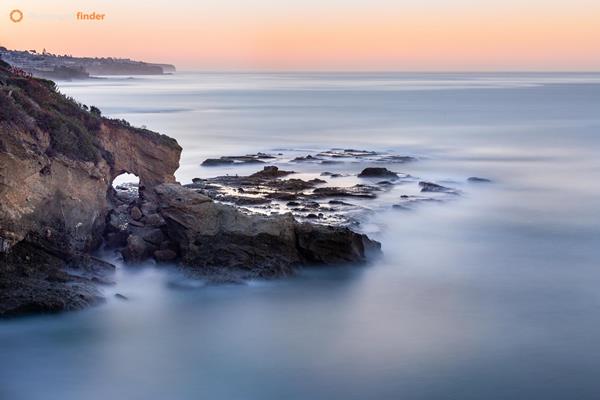
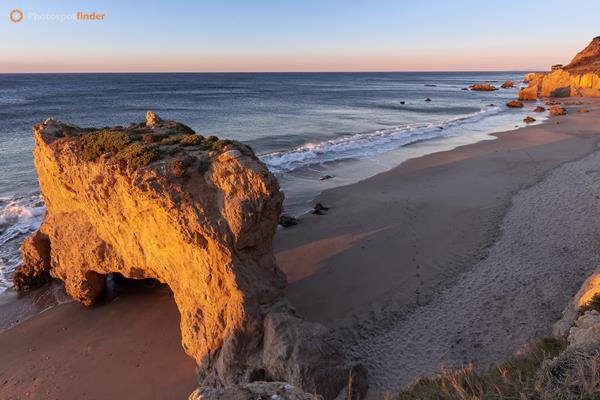
El Matador State Beach: Rocky sea stacks, caves, and arches offer stunning compositions. Low tide exposes foreground rocks and tidepools, and sunset or morning light adds golden hues.
Point Dume: Cliffside overlooks with panoramic ocean views and hidden coves. Coastal wildflowers in spring add vibrant foregrounds, and sunrise or sunset creates dramatic shadows on cliffs.
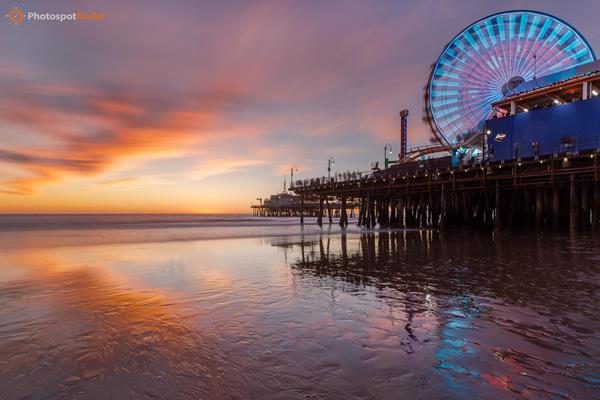
Santa Monica Pier: The iconic Ferris wheel and pier structures create instantly recognizable coastal compositions. Sunset or twilight captures colorful skies, reflections on wet sand, and dynamic waves.
Crystal Cove State Park: Sandy beaches, tidepools, coastal bluffs, and historic cottages offer multiple composition options. Sunrise light and overcast skies enhance texture, color, and mood.
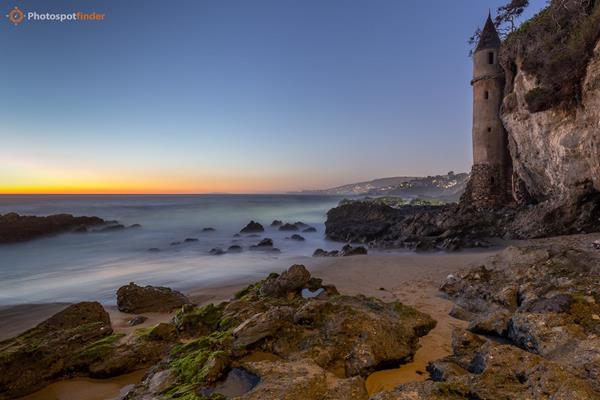
Laguna Beach & Victoria Beach – Pirate Tower: The Pirate Tower is a unique focal point on sandy beaches with rocky cliffs. Low tide reveals rocks for leading lines, while sunset light highlights textures and creates dramatic silhouettes.
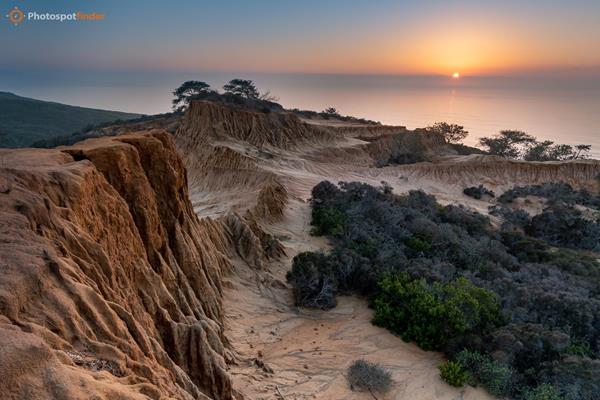
Torrey Pines State Natural Reserve: Cliffside trails and coastal bluffs offer sweeping Pacific views and textured coastal grasses. Early morning light brings out cliff details, while fog or overcast skies enhance mood.
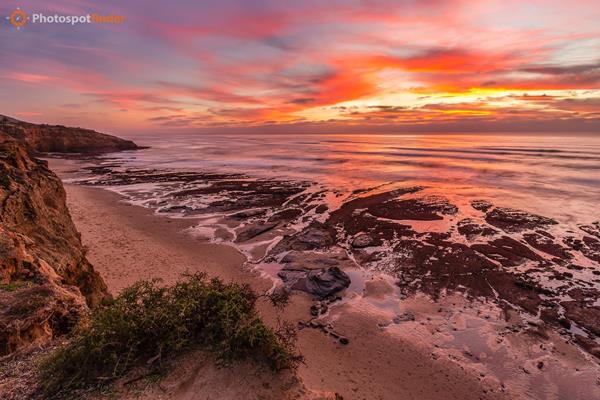
Sunset Cliffs, San Diego: Dramatic ocean cliffs with natural terraces provide leading lines and foreground interest. Sunset or stormy conditions add intensity to seascapes and cloudscapes.
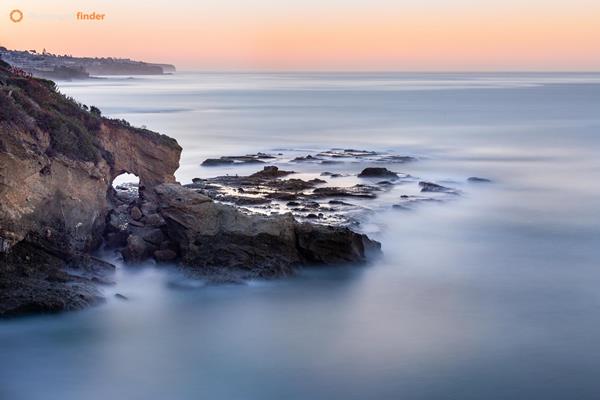
La Jolla Cove & La Jolla Shores: Cliffs, sea caves, kelp beds, and wildlife provide varied photographic subjects. Sunset and golden hour create rich colors and silhouettes, while tidepools allow for detailed compositions.
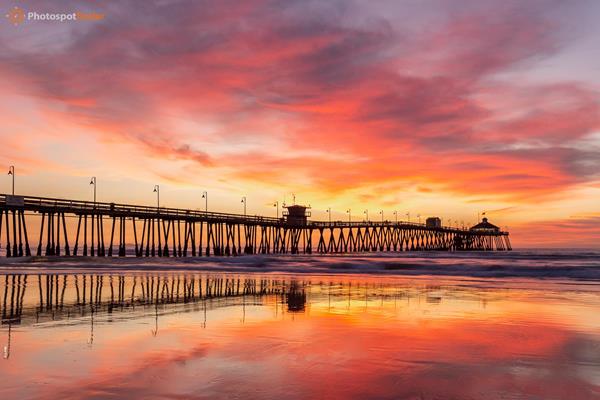
Imperial Beach: A long sandy beach with surf patterns, tidal pools, and pier structures. Sunrise or sunset light enhances reflections and textures in the sand and water.
Photography Considerations
Foreground elements like driftwood, rocks, tidepools, cliffs, and coastal vegetation help anchor compositions. Leading lines from cliffs, rocky formations, piers, or shoreline curves guide the viewer’s eye. Fog, mist, or storms enhance mood and drama, while calm ocean conditions allow reflective water and smooth long-exposure compositions.Recommended gear includes wide-angle lenses for panoramic vistas and cliffs, telephoto lenses for distant features, wildlife, and surf, and a tripod for low-light or long-exposure shots. Polarizing and neutral density filters enhance water colors, reduce glare, and allow creative exposure effects. Patience is essential to capture surf patterns, clouds, fog, or optimal light conditions. Exploring multiple angles from cliffs, beaches, piers, and trails maximizes compositional variety and seasonal diversity.
Visitor Tips & Key Notes
Plan visits during early morning or late afternoon for the best lighting and minimal crowds. Beach and trail access vary from easy walks to moderate hikes; suitable footwear and layered clothing are recommended. Seasonal changes provide different photographic opportunities: spring wildflowers, summer sunsets, fall light, and winter storms.Exploring beaches, cliffs, piers, and reserves allows photographers to capture diverse perspectives. Revisiting locations under different tides, surf, and weather conditions increases compositional variety. Photographers can use our interactive map, images, and other resources to efficiently plan shooting locations. Sharing experiences or insights in our comment section helps other photographers discover new angles and enjoy Southern California’s scenic coastline.