Best Landscape Photography Spots in Zion National Park
Location & Landscape
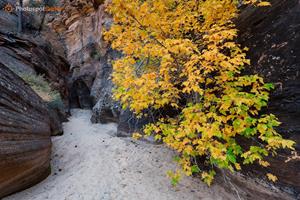
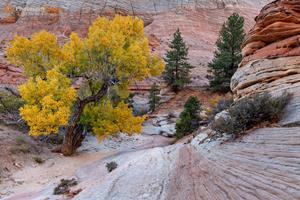
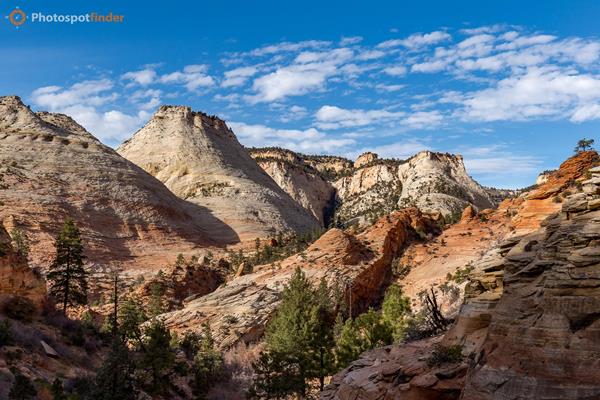
Zion National Park, established in 1919, lies in southwestern Utah near the town of Springdale. The park’s landscape features deep red and cream Navajo sandstone formations carved by the Virgin River over millions of years. Zion Canyon forms the central corridor and is accessible via the Zion Canyon Scenic Drive, which runs a shuttle system much of the year. The terrain ranges from steep canyon walls and riverbanks to high plateaus and slickrock formations along the Zion-Mount Carmel Highway. Areas like the Narrows and Kolob Canyons showcase the park’s geological diversity. Seasonal changes affect both access and appearance. Spring runoff increases river flow, while autumn brings warmer tones to vegetation. Early morning and late afternoon offer the most balanced light. Midday can create strong contrasts within the canyon.Top Photo Opportunities
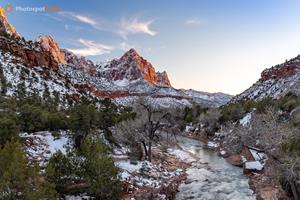
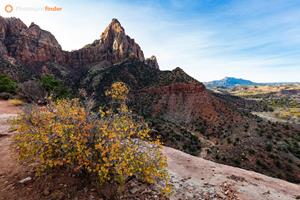
Canyon Junction Bridge: Located near the south entrance, this bridge offers a clear view of the Virgin River flowing toward the Watchman formation. The river forms a strong leading line, especially in calm conditions when reflections appear. Sunset is the best time because warm light illuminates the Watchman while the foreground stays balanced. Small position changes across the bridge can improve the composition.The Watchman Trail: Beginning near the visitor center, this trail ascends gradually and offers elevated views of Zion Canyon and surrounding formations. The vantage point creates layered compositions with depth and scale. Early morning light highlights the canyon walls. Evening conditions produce softer contrast across the valley.
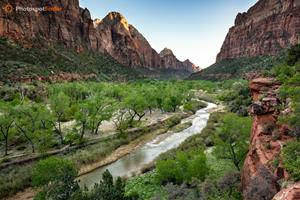
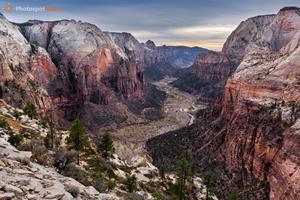
Angels Landing (Summit Viewpoint): The summit of Angels Landing, reached via the West Rim Trail, offers a commanding view directly into Zion Canyon. From this elevated perspective, the Virgin River winds between steep cliffs. Early morning brings softer light and fewer shadows in the canyon. Late afternoon highlights texture and depth. Careful composition is needed because space at the summit is limited.
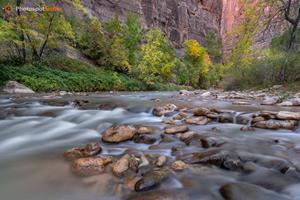
The Narrows (Virgin River Corridor from Temple of Sinawava): Starting at the Temple of Sinawava, this route follows the Virgin River into narrower canyon walls. The enclosed space creates reflected light that enhances color and texture. Midday works well because diffused light bounces between the canyon walls. Look for bends in the river and contrasting rock patterns to anchor compositions.
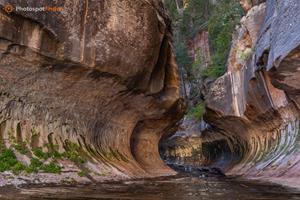
The Subway (Left Fork of North Creek): Accessed by a permit-only hike from Kolob Terrace Road, the Subway is a tubular slot canyon with smooth, sculpted rock and flowing water. The curved walls and reflective pools form strong compositional elements. Soft, indirect light is ideal and often occurs in mid-morning or afternoon, depending on conditions. Water flow levels affect both safety and photographic possibilities.
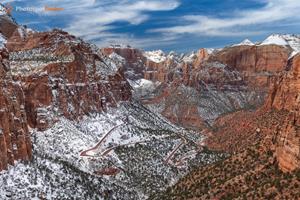
Canyon Overlook Trail: Located along the Zion-Mount Carmel Highway, this short trail leads to a dramatic overlook showing the depth of Zion Canyon and the road below. Sunrise gently illuminates the formations, while sunset enhances warm tones and shadow contrast.
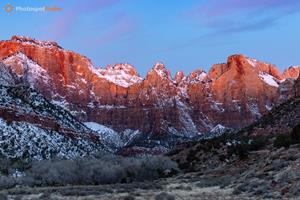
Towers of the Virgin (Altar of Sacrifice Viewpoint): This viewpoint, located near the Court of the Patriarchs shuttle stop behind the Zion Human History Museum, frames the Towers of the Virgin rising prominently above the canyon floor. The vertical formations stand out best in the late afternoon when side lighting enhances their texture and separation from the background.
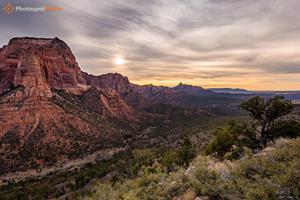
Kolob Canyons Viewpoint: This viewpoint, reached via Kolob Canyons Road, overlooks a series of parallel red rock canyons with fewer crowds. Late afternoon light intensifies the red tones and adds depth with shadow and contrast. Seasonal cloud cover can add atmosphere and variation.