Best Landscape Photography Spots in Yosemite National Park, California
Location & Landscape
Yosemite National Park spans over 750,000 acres in California’s Sierra Nevada, including Yosemite Valley, Tuolumne Meadows, Hetch Hetchy, and Glacier Point areas. The park features granite monoliths, waterfalls, alpine lakes, meadows, and high mountain peaks. Elevations range from around 2,000 feet in Yosemite Valley to over 13,000 feet at the highest peaks, offering dramatic contrasts and varied photographic opportunities.Access is available via Highways 140, 120, and 41, with multiple trailheads and viewpoints throughout the park. Seasonal conditions heavily influence photography: spring brings roaring waterfalls and blooming meadows, summer offers lush landscapes and clear skies, fall delivers golden aspens and warm light, and winter provides snow-dusted cliffs and reflective icy lakes. Early morning and late afternoon produce the most dynamic light, shadows, and vibrant colors.
Top Photo Opportunities
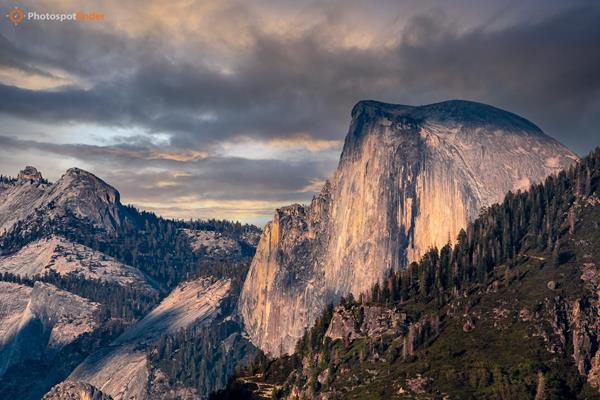
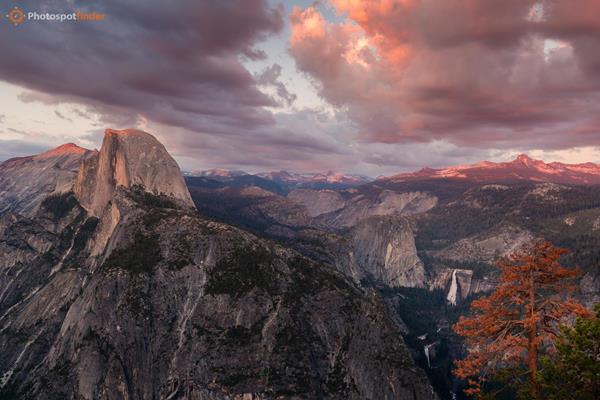
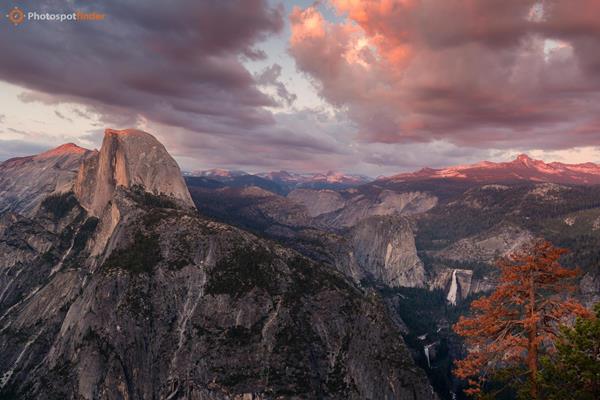
Glacier Point: Glacier Point delivers one of the most comprehensive views of Yosemite Valley, including Half Dome, Vernal Fall, Nevada Fall, and the High Sierra crest. Sunrise introduces directional side light that defines granite textures, while sunset casts warm tones across the valley walls. A wide-angle lens suits expansive panoramas, but a mid-telephoto works well for isolating Half Dome. Arrive early during peak season to secure tripod space along the railing.Washburn Point: Located just before Glacier Point, Washburn Point provides a slightly lower but more intimate angle into Yosemite Valley. It offers a strong view of Half Dome’s profile and a clear sightline toward Vernal and Nevada Falls. Morning light strikes the granite face directly, enhancing contrast and structure. The turnout is smaller and typically less crowded, making it easier to set up longer compositions or bracket exposures.
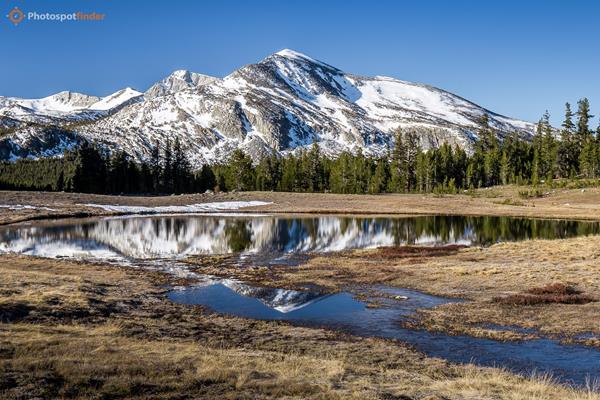
Tuolumne Meadows: Tuolumne Meadows sits at over 8,600 feet along the Tioga Road corridor and features open alpine terrain framed by granite domes. Early morning often brings calm air and light ground mist above the Tuolumne River, ideal for layered compositions. Summer wildflowers add foreground interest. Use a low vantage point to emphasize meadow textures, or compress distant peaks with a telephoto lens during late afternoon side light.
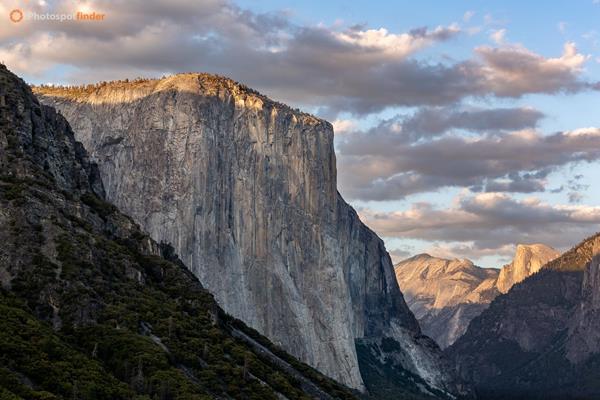
Tunnel View: Tunnel View presents Yosemite’s classic alignment of El Capitan, Bridalveil Fall, and Half Dome in a single frame. Morning light reaches El Capitan first, while late afternoon increases depth through shadow separation across the valley. A mid-range focal length captures the full scene; longer lenses isolate Bridalveil Fall or cloud formations. Winter storms and clearing fog frequently add atmospheric layers that strengthen visual depth.
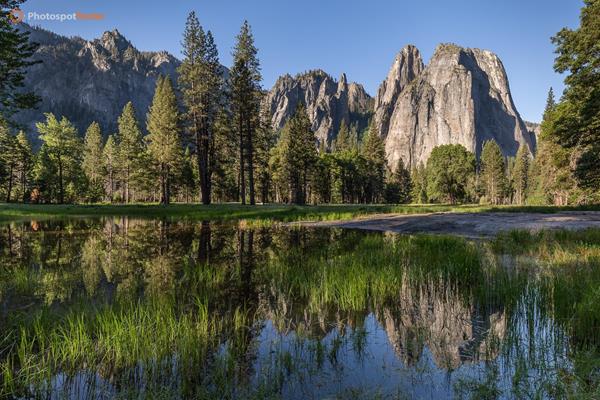
Valley Floor & Cook’s Meadow: The Valley Floor, especially Cook’s Meadow, offers ground-level compositions framed by towering granite walls. Boardwalk access protects the meadow ecosystem while providing clear sightlines toward Yosemite Falls and Half Dome. Spring runoff fills nearby channels for reflections, and calm mornings often produce mist. Use foreground grasses or river bends as leading lines, and shoot during golden hour for balanced contrast.
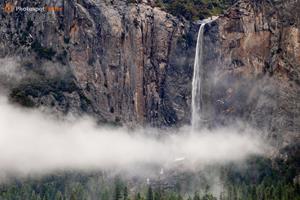
Bridalveil Fall: Bridalveil Fall drops 620 feet from the south wall of Yosemite Valley and remains accessible year-round. The base trail provides close detail of the cascading water, while distant viewpoints highlight its slender profile against granite cliffs. Overcast light helps retain texture in both rock and water. Use a neutral density filter for long exposures, and position yourself carefully to avoid lens spray during peak runoff.
Mirror Lake: Mirror Lake, located beneath Half Dome, forms seasonal reflections when water levels rise in spring and early summer. Calm mornings produce the strongest mirror effect before winds disturb the surface. Position low along the shoreline to align reflections symmetrically. In autumn, reduced water levels reveal textured lakebed patterns that support minimalist compositions. A polarizer helps manage glare and control reflection intensity.
Sentinel Dome: Sentinel Dome offers a 360-degree panorama above Yosemite Valley with unobstructed views of Half Dome and El Capitan. The short but exposed hike requires timing for changing alpine weather. Sunrise introduces balanced light across the valley, while sunset creates rim light along distant ridges. A wide-angle lens captures sweeping perspective, though stitched panoramas maximize resolution and detail across the skyline.
Photography Considerations
Foreground elements such as meadows, rivers, alpine lakes, or wildflowers provide scale and anchor compositions. Leading lines can be created by trails, rivers, or cliff edges. Weather and seasonal changes impact photography: spring has high waterfalls, summer features vibrant greenery, fall displays golden aspens, and winter offers snow-dusted cliffs. Sunrise and sunset provide the most dynamic lighting, while overcast skies can reveal textures and soft shadows.Recommended gear includes wide-angle lenses for panoramic landscapes, telephoto lenses for distant peaks, and a tripod for low-light or long-exposure shots. Polarizing filters reduce glare from water and enhance sky colors, while neutral density filters allow creative long exposures of waterfalls or moving clouds. Exploring multiple viewpoints from Glacier Point, Tuolumne Meadows, Washburn Point, and valley floors maximizes compositional diversity.
Visitor Tips & Key Notes
Plan visits during early morning or late afternoon for optimal light and minimal crowds. Trails range from easy valley walks to strenuous alpine hikes; layered clothing, sturdy footwear, and water are essential. Seasonal conditions affect accessibility: spring may have lingering snow at higher elevations, summer offers full access to trails and overlooks, fall provides softer light and vibrant foliage, and winter adds snow-dusted cliffs and icy lakes.Photographers can explore Glacier Point, Washburn Point, Tuolumne Meadows, valley meadows, and alpine lakes for diverse compositions. Revisiting locations under different lighting, weather, or seasonal conditions increases creative opportunities. Use our interactive map, images, and other resources to plan efficient photography sessions. Sharing experiences or insights in our comment section helps other photographers discover new angles and enjoy Yosemite’s iconic landscapes.