Best Landscape Photography Spots in Yellowstone National Park
Location & Landscape
Yellowstone National Park is mainly in northwestern Wyoming, with parts extending into Montana and Idaho. The park sits on a volcanic hotspot that drives its geothermal activity. Elevations range from about 5,000 to over 11,000 feet, creating diverse terrain including mountains, plateaus, rivers, and hydrothermal basins. The park is accessible via scenic roads connecting major regions. Boardwalks provide close access to geothermal features like those in Midway Geyser Basin and Norris Geyser Basin. Seasonal variation is significant. Snow covers much of the park in winter, while wildflowers appear in summer. Early mornings often bring calm conditions and rising steam. Evenings provide softer light across valleys and water features. Accessibility varies by season, so planning around road openings and weather is essential.Top Photo Opportunities
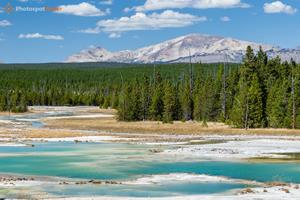
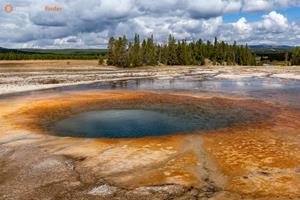
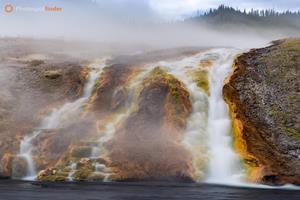
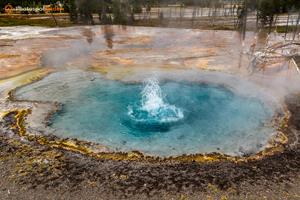
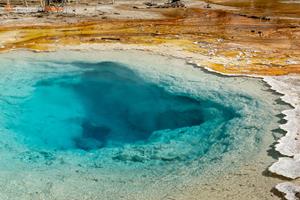
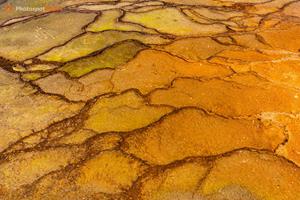
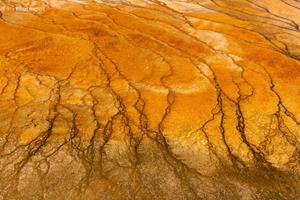
Grand Prismatic Spring Overlook (Fairy Falls Trail, Midway Geyser Basin): The overlook on the Fairy Falls Trail offers an elevated view of Grand Prismatic Spring in Midway Geyser Basin, showing its full spectrum of colors and concentric patterns. Midday is often the best time to photograph because the higher sun angle reduces steam and enhances the vivid blues, oranges, and greens. The short hike to the overlook provides a clear composition with the surrounding forest framing the spring. Atmospheric conditions change quickly, so waiting for breaks in the steam can improve visibility and image clarity.Excelsior Geyser Crater Boardwalk (Midway Geyser Basin): The boardwalk loop at Midway Geyser Basin provides close access to Excelsior Geyser Crater, where bright blue water contrasts with mineral-stained runoff channels flowing toward the Firehole River. This vantage point offers strong foreground elements and leading lines from the outflow patterns. Morning light creates subtle reflections and softer tones. Midday enhances color intensity. Steam movement varies throughout the day, so patience is needed to capture clear compositions.
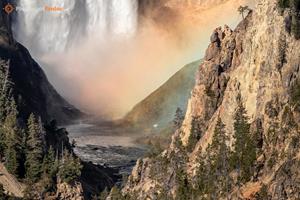
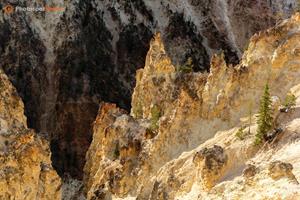
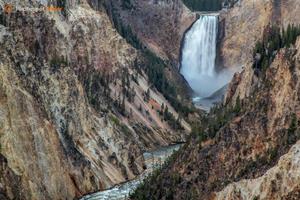
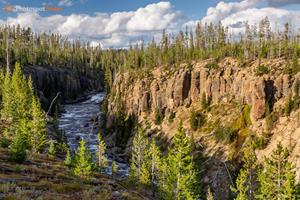
Artist Point (Grand Canyon of the Yellowstone): Artist Point is one of the most iconic viewpoints in the park, overlooking the Lower Falls of the Yellowstone River in the canyon. The viewpoint offers a direct line of sight to the waterfall framed by steep canyon walls. Early morning and late afternoon light highlight the yellow, orange, and red tones in the rock formations and cast shadows that add depth. The composition benefits from a stable vantage point and careful framing of the river leading into the falls. Repeated visits can yield different results depending on light and seasonal water flow.
Old Faithful Geyser (Upper Geyser Basin): Old Faithful offers a predictable yet dynamic subject, erupting at regular intervals within the Upper Geyser Basin. Positioning slightly away from the main viewing area allows for more creative compositions that include surrounding lodgepole pines or boardwalk lines. Early morning eruptions often occur with cooler temperatures, producing thicker steam that interacts with sunlight. The contrast between the geyser plume and the sky can create striking images. Timing and patience are essential, as each eruption varies slightly in height and duration.
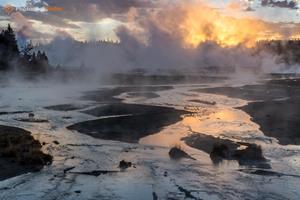
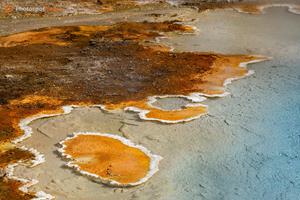
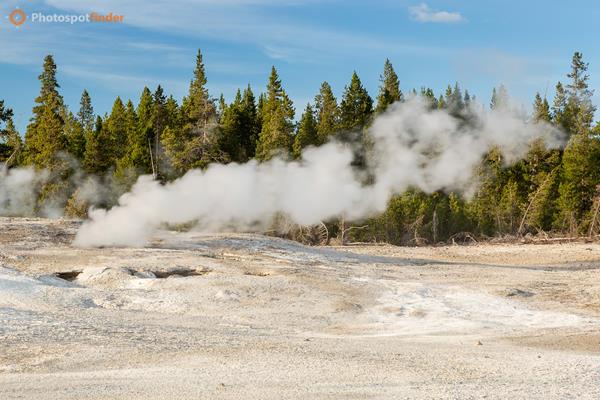
Porcelain Basin Overlook (Norris Geyser Basin): The Porcelain Basin Overlook in Norris Geyser Basin presents a stark, mineral-rich landscape with steaming vents, pale terraces, and scattered geothermal features. The open viewpoint allows wide compositions that emphasize texture and contrast between white mineral deposits and darker terrain. Early morning is especially effective because cooler air enhances visible steam. Constantly shifting geothermal activity creates subtle variations in the scene. Timing and observation are key to capturing the most compelling images.
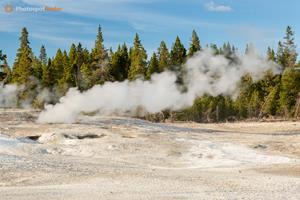
Back Basin Trail (Norris Geyser Basin): The Back Basin Trail offers a quieter and more varied photographic experience within Norris Geyser Basin, featuring geysers, bubbling pools, and wooden boardwalks that guide composition. This area includes features such as Steamboat Geyser, the world's tallest active geyser. The mix of forest and geothermal features provides opportunities to frame steam rising through trees. Changing wind direction and light conditions can dramatically alter visibility, encouraging multiple passes through the area to refine compositions.
Lamar Valley (Northeast Entrance Road): Lamar Valley offers expansive views of open grasslands framed by rolling hills and distant mountains. It is especially effective at sunrise and sunset when low-angle light enhances texture across the valley floor. The Lamar River winds through the landscape, providing natural leading lines for compositions. Atmospheric conditions, such as fog or frost, add depth and mood. The wide-open terrain supports both broad landscape shots and focused compositions with longer lenses. Light changes quickly, so it is worthwhile to stay and observe shifting conditions.
West Thumb Geyser Basin (Yellowstone Lake Shore): West Thumb Geyser Basin sits along the edge of Yellowstone Lake, combining geothermal features with reflective water surfaces. Boardwalks guide photographers to vantage points where hot springs and fumaroles appear alongside the lake. Early morning is effective, as steam rising from the features contrasts with cooler air and calm water. The lake reflects both sky and geothermal activity, adding depth to compositions. Careful positioning balances foreground thermal features with the expansive lake backdrop.