Best Landscape Photography Spots in Sierra Nevada, California
Location & Landscape
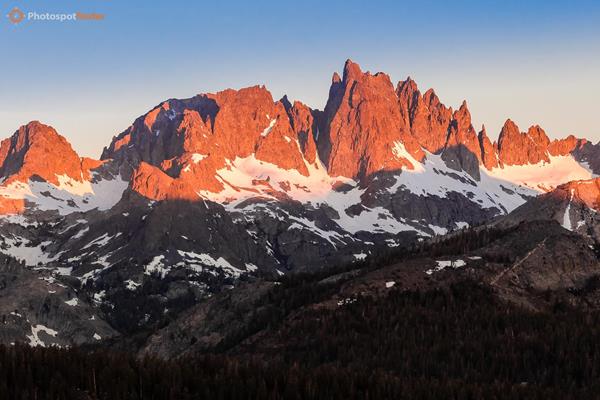
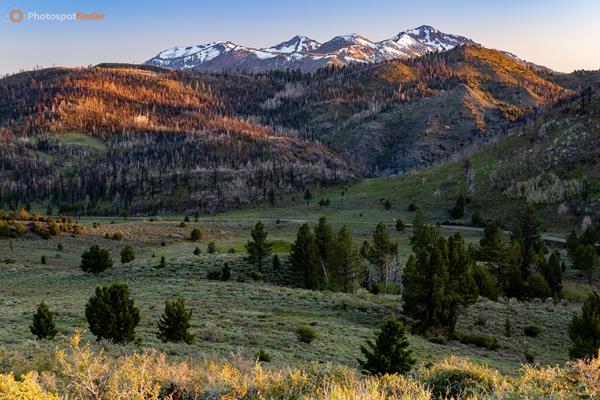
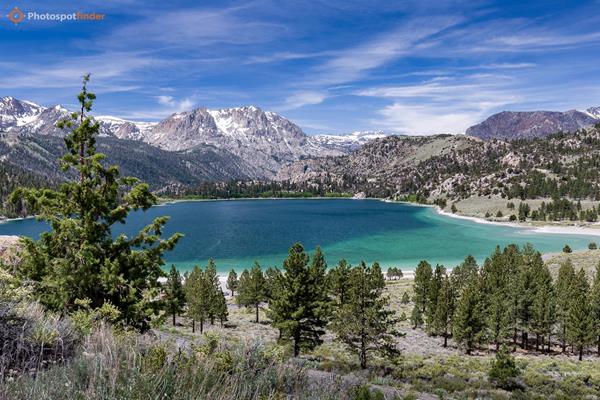
The Sierra Nevada spans over 400 miles from California’s Central Valley to the Nevada border, encompassing elevations from around 1,000 feet to over 14,000 feet at Mount Whitney, the highest peak in the contiguous United States. The range includes glacially carved valleys, alpine meadows, waterfalls, granite cliffs, and ancient conifer forests.Access is available via highways and mountain passes such as Tioga Pass, Highway 395, and Highway 50, with numerous trailheads and scenic overlooks throughout the range. Seasonal conditions strongly influence photography: spring brings snowmelt waterfalls and wildflowers, summer provides lush greenery and accessible high passes, fall delivers golden aspens and crisp skies, and winter offers snow-covered peaks and frozen lakes. Early morning and late afternoon produce the best light for capturing depth, color, and texture across the varied terrain.
Top Photo Opportunities
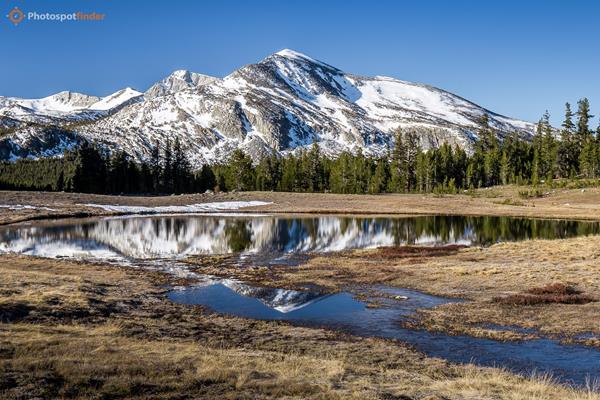
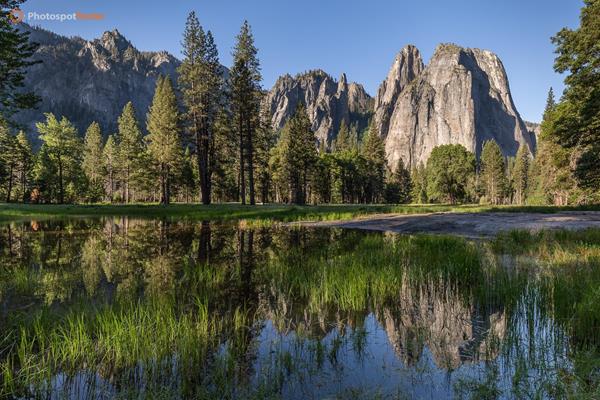
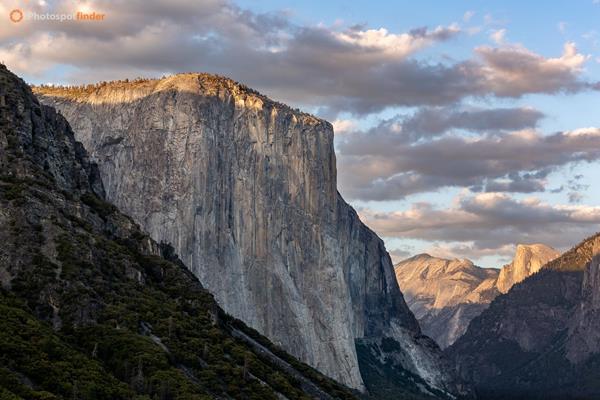
Yosemite Valley: Iconic granite cliffs, waterfalls, and alpine meadows. Sunrise or sunset enhances light on Half Dome, El Capitan, and Bridalveil Fall, with reflections in Merced River and Mirror Lake.Tuolumne Meadows: High-altitude meadows with wildflowers, rivers, and distant granite peaks. Morning mist and soft light create expansive, ethereal compositions.
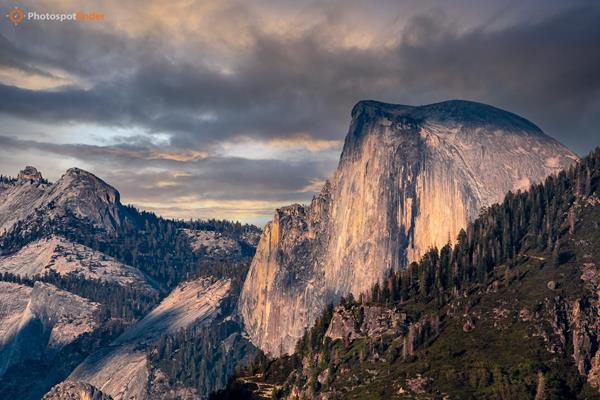
Glacier Point: Panoramic views over Yosemite Valley, Half Dome, and surrounding cliffs. Golden hour highlights textures and shadows for dramatic mountain photography.
Kings Canyon and Roaring River Falls: Offers canyon vistas, waterfalls, and granite cliffs. Best light occurs in the morning or late afternoon when shadows add depth.
Sequoia National Park – Moro Rock and Crescent Meadow: Granite domes, ancient giant sequoias, and reflective meadows provide unique foregrounds and scale.
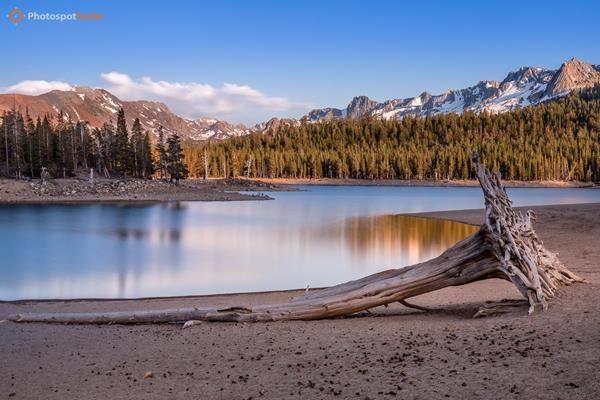
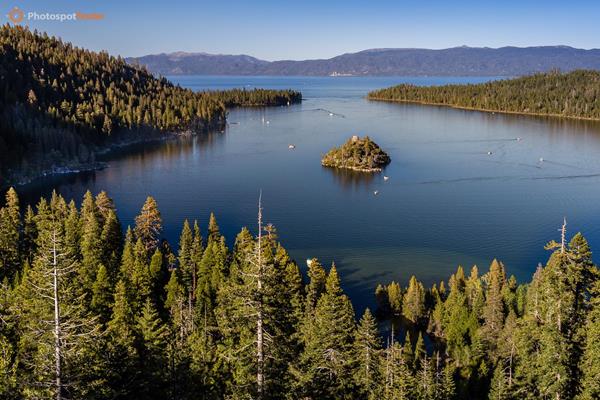
Lake Tahoe and Alpine Lakes: Crystal-clear lakes with surrounding peaks. Early morning captures calm reflections, while late afternoon provides warm light on ridgelines.
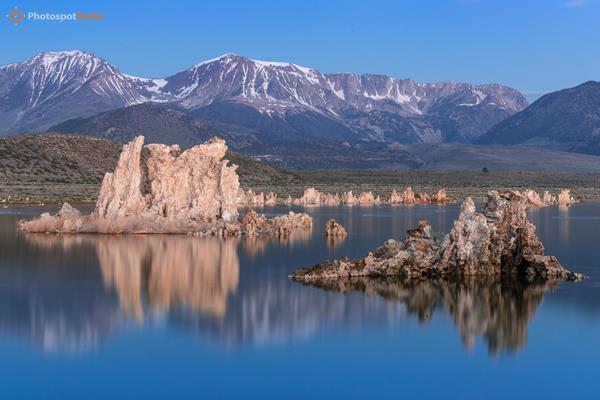
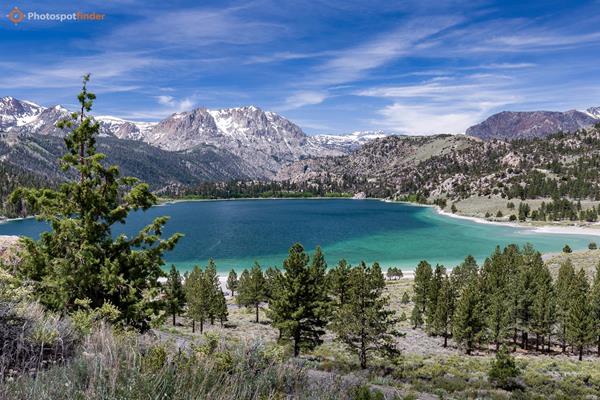
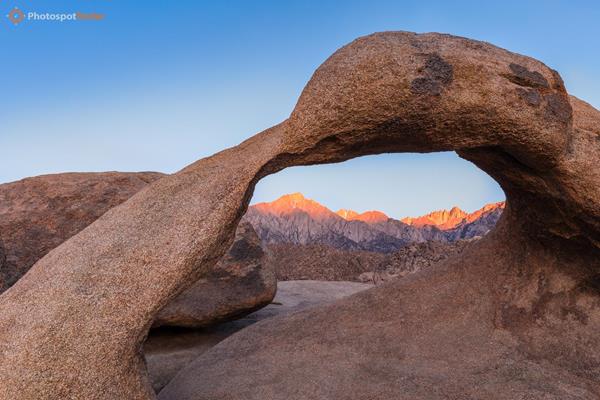
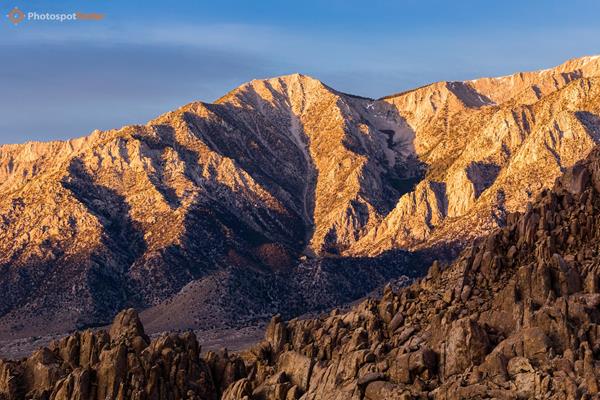
Eastern Sierra Scenic Highways: Highway 395, Mono Lake, and Mammoth Lakes region provide dramatic mountain backdrops, desert-meets-alpine compositions, and varied terrain for sunrise, sunset, and night photography.
Mount Whitney Trail and Whitney Portal: Panoramic alpine views with jagged peaks and expansive valleys. Sunrise and sunset light create dramatic shadows and textures.
Photography Considerations
Foreground elements such as lakes, meadows, trees, and rivers provide scale and anchor compositions. Leading lines can be formed by trails, ridgelines, or waterways. Weather and seasonal changes dramatically impact photography: snowmelt creates flowing waterfalls in spring, summer offers greenery and accessible alpine passes, fall provides golden foliage, and winter introduces snow and ice for dramatic contrast. Sunrise and sunset produce dynamic lighting, while overcast conditions soften shadows and reveal textures.Recommended gear includes wide-angle lenses for panoramas, telephoto lenses for distant peaks, and a tripod for long exposures or low-light shooting. Polarizing filters enhance sky and water color, while neutral density filters allow creative long exposures of waterfalls and moving clouds. Exploring multiple viewpoints, passes, meadows, and lakes maximizes compositional diversity.
Visitor Tips & Key Notes
Plan visits during early morning or late afternoon for optimal light and fewer crowds. Trails range from easy walks to strenuous alpine hikes; layered clothing, sturdy footwear, and water are essential. Seasonal conditions influence accessibility: spring may have snow at higher elevations, summer provides full access, fall offers crisp light and foliage colors, and winter allows snow-covered peaks and frozen lakes.Photographers can explore valleys, alpine lakes, mountain passes, waterfalls, and meadows for diverse compositions. Revisiting locations under different light, weather, or seasonal conditions enhances creative options. Use our interactive map, images, and other resources to plan efficient photography sessions. Sharing experiences or insights in our comment section helps other photographers discover new angles and enjoy the Sierra Nevada’s dramatic landscapes.