Best Landscape Photography Spots in Olympic National Park
Location & Landscape
Olympic National Park, established in 1938, is on the Olympic Peninsula in Northwestern Washington State. The park covers nearly one million acres, including glaciated peaks, dense temperate rainforests, and over 70 miles of protected Pacific coastline. The Hoh Rainforest on the western side receives heavy rainfall that sustains its lush vegetation. The Pacific Coast features rocky shorelines and dramatic sea stacks shaped by ocean forces. Hurricane Ridge, accessible by a paved road from Port Angeles, offers elevated views of the Olympic Mountains. Weather varies significantly by region, with frequent rain in the rainforest and rapidly changing light in alpine areas. Roads and short trails provide access to most key viewpoints, though some coastal areas require moderate hikes. Early morning and late evening are usually the best times for lighting.Top Photo Opportunities
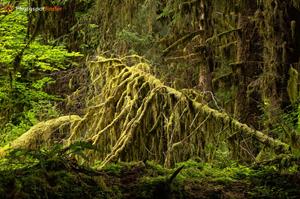
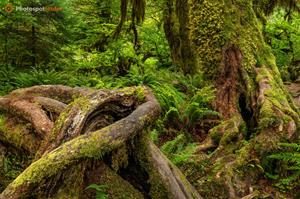
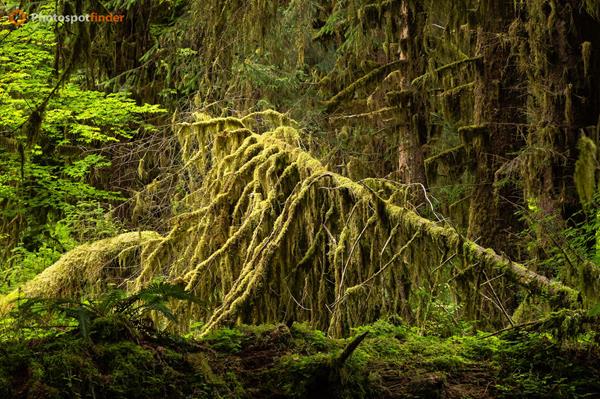
Hall of Mosses Trail, Hoh Rainforest: This short loop trail provides access to some of the most iconic rainforest scenes, where bigleaf maples and Sitka spruces are draped in thick green moss. The dense canopy filters light, creating soft, diffused conditions ideal for capturing fine detail and texture. Overcast days enhance color saturation and reduce contrast, making it easier to photograph layered vegetation. Compositions often benefit from including winding paths or fallen logs as leading elements. Revisiting during light rain or mist adds atmosphere and depth to images.Spruce Nature Trail, Hoh Rainforest: Located near the Hoh River, this trail offers a mix of forest and riverbank scenes. The river offers opportunities for long-exposure photography, especially where water flows around rocks and driftwood. The contrast between the vibrant forest and muted river tones creates balanced compositions. Early morning fog can settle along the river, adding mood and separating elements. Exploring slight variations along the trail helps identify unique foregrounds that strengthen compositions.
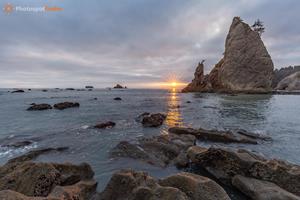
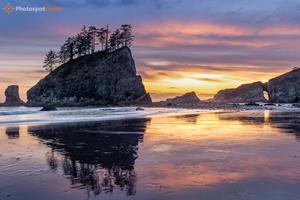
Ruby Beach, Pacific Coast: Known for its sea stacks and scattered driftwood, Ruby Beach is one of the most accessible coastal photography spots in the park. The shoreline offers strong foreground elements, and offshore rock formations add depth and scale. Sunset is especially effective, with warm light illuminating the sea stacks and reflecting on wet sand. Incoming tides transform the scene. Timing visits with tidal changes allows for varied compositions. Repeated visits reveal different alignments of light, water, and sky.
Rialto Beach and Hole-in-the-Wall, Pacific Coast: This stretch of coastline features dramatic rock formations and the well-known Hole-in-the-Wall arch, accessible by a walk along the beach. The arch frames ocean views and serves as a focal point, especially at low tide when more of the formation is exposed. Waves interacting with rocks create dynamic motion for long exposures. Cloud movement and shifting light often change the mood, encouraging patience and multiple attempts.
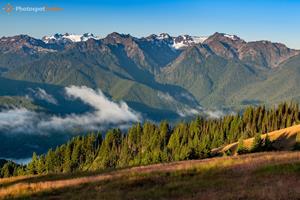
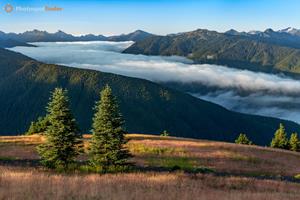
Hurricane Ridge Viewpoints, Hurricane Ridge: The main viewpoints along Hurricane Ridge Road offer sweeping views of the Olympic Mountains, including layered ridgelines and distant peaks. Sunrise and sunset create directional light that enhances texture and depth across the terrain. Snow-covered winter landscapes provide clean, minimalist compositions, while summer wildflowers add foreground interest. Walking short distances from the viewpoints helps isolate compositions and avoid distractions. Returning in different seasons reveals new perspectives on the same scene.