Best Landscape Photography Spots in Mount Rainier National Park
Location & Landscape
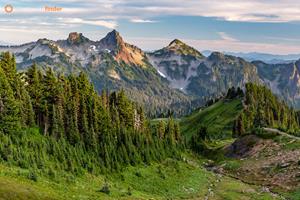
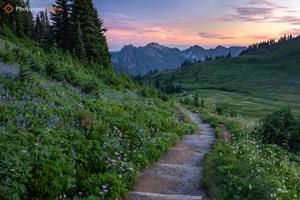
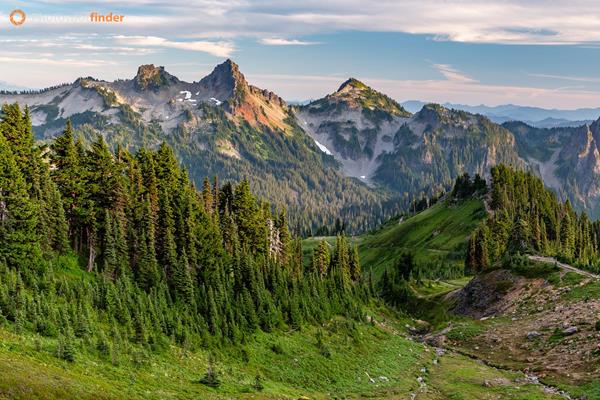
Mount Rainier National Park, established in 1899, is located in Washington State in the Pacific Northwest of the United States. The park covers over 236,000 acres and is dominated by Mount Rainier, which rises to 14,410 feet and supports extensive glacial systems. The Paradise area features subalpine meadows and open views. Sunrise offers higher elevation vantage points with expansive horizons. Ohanapecosh is characterized by lush temperate rainforest and river landscapes. The Carbon River and Mowich Lake regions provide access to remote wilderness and glacial river valleys.Seasonal changes strongly influence photographic conditions. Summer brings wildflowers and clear trails, autumn offers color contrasts, and winter transforms the landscape into snow-covered terrain. Reflection Lakes and Narada Falls are typically accessed via the main Paradise Road, making them easy stops along a south-side route. Early morning and late evening light provide the best conditions for capturing depth and texture.
Top Photo Opportunities
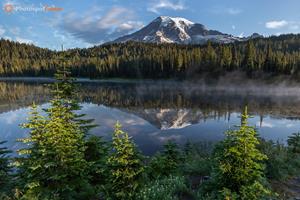
Paradise – Myrtle Falls Viewpoint: This accessible viewpoint along the Skyline Trail offers one of the most recognizable compositions in the park, with Myrtle Falls cascading in the foreground and Mount Rainier rising behind it. In summer, wildflowers fill the meadows, adding color and depth. Early morning brings soft light on the mountain. Sunset can illuminate clouds and enhance contrast. Changing weather creates dramatic moods, making it worth revisiting.Reflection Lakes – Lakeside Pullouts Along Stevens Canyon Road: Reflection Lakes offers one of the most iconic mirror-like views of Mount Rainier. Pullouts along the lakeshore provide clear vantage points where the mountain reflects in still water. Calm mornings are ideal for capturing symmetrical compositions, while autumn brings colorful foliage around the shoreline. Slight changes in position along the lake reveal different foreground elements like grasses or rocks, encouraging exploration for refined compositions.
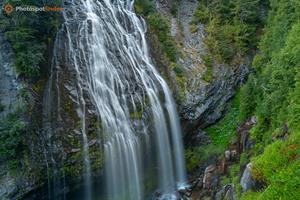
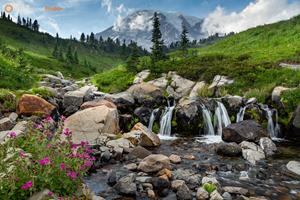
Narada Falls – Lower Viewpoint Trail: Located just below the main parking area, the lower viewpoint offers a strong angle of Narada Falls plunging in two tiers. The vantage point lets photographers include surrounding rock walls and vegetation for context. Long exposures smooth the water while retaining detail in the falls. Overcast or shaded conditions are ideal for managing contrast. Mist from the falls can add atmosphere when approached carefully.
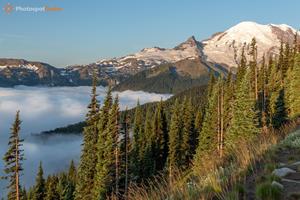
Sunrise – Sunrise Point Overlook: Located along Sunrise Road, this overlook offers expansive views of Mount Rainier and surrounding peaks without a long hike. Its elevated position lets photographers capture layered ridgelines and atmospheric perspective, especially at sunrise when light spreads across the valleys. Clear days reveal sharp detail, while haze or clouds add depth and softness. Visiting at different times of day provides varied compositions and lighting conditions.
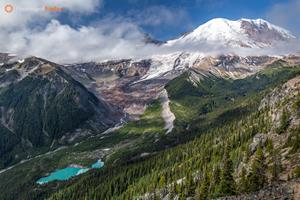
Burroughs Mountain Trail – Glacier Overlook: Located along the Burroughs Mountain Trail in the Sunrise area, this high-elevation viewpoint provides a close and unobstructed perspective of Mount Rainier’s glaciers. The overlook sits above rugged alpine terrain, allowing photographers to frame the mountain with rocky foreground elements that emphasize scale and texture. Early morning light is particularly effective, illuminating the glacier faces and creating strong contrast across ridgelines. Clear conditions reveal fine detail in the ice and surrounding slopes, while passing clouds can add depth and atmosphere. The hike required to reach this location limits crowds and allows more time to refine compositions. Returning under different light and weather conditions can produce significantly different results.
Ohanapecosh – Silver Falls: Situated along the Ohanapecosh River Trail, Silver Falls is a great spot for capturing flowing water in a dense forest. The cascading water, framed by moss-covered rocks and evergreen trees, offers opportunities for long-exposure photography. Overcast conditions are ideal to balance highlights and shadows. The surrounding forest adds texture and depth. This makes it a reliable location regardless of weather, especially when revisited with different water flow levels.
Carbon River – Ranger Station Area: Near the Carbon River Ranger Station, photographers can access the river corridor to capture glacially fed waters with Mount Rainier’s lower slopes in the background. The river’s braided channels and rocky banks offer strong leading lines for compositions. Mist and low clouds often move through the valley, adding atmosphere. Early morning enhances reflections and subtle light transitions. Patience and timing are important for capturing dynamic conditions.
Mowich Lake – Lakeshore at Reflection Areas: The shoreline of Mowich Lake offers opportunities to photograph Mount Rainier reflected in calm water, particularly during still mornings or evenings. The surrounding wilderness setting provides minimal visual distractions, allowing for clean compositions. Seasonal changes, including snow patches or late summer dryness, affect the lake’s appearance. Exploring different sections of the shoreline reveals varied foreground elements, encouraging multiple visits to capture the best conditions.
Photography Considerations
Successful photography in Mount Rainier National Park depends on careful composition and attention to light. Foreground elements such as wildflowers, rocks, or water features anchor images and guide the viewer’s eye toward the mountain. Early and late daylight hours provide softer light and better contrast. Overcast conditions are especially useful for forest and waterfall scenes. Wide-angle lenses capture expansive landscapes, while mid-range lenses isolate details and layers.Tripods are recommended for stability, especially for long exposures of waterfalls or low-light conditions. Polarizing filters manage reflections and enhance color saturation, particularly in lakes and skies. Exploring multiple angles and returning in different weather increases the chance of capturing unique and compelling images.
Visitor Tips & Key Notes
Planning ahead is important when visiting Mount Rainier National Park because of seasonal road access and changing weather. Paradise and Sunrise are usually accessible in summer. Areas like Mowich Lake and Carbon River may require travel on unpaved roads and more time. Reflection Lakes and Narada Falls are convenient stops along the Paradise Road corridor and make efficient additions to a photography itinerary.The park’s diversity lets photographers capture different landscape styles in a single visit, from alpine vistas to dense forest scenes. Returning in different seasons offers new perspectives, like wildflowers in summer or snow-covered landscapes in winter. Photographers can use interactive maps, reference images, and other resources to plan efficient routes and timing. Sharing observations and experiences also helps refine future visits and improve results.