Best Landscape Photography Spots in Great Sand Dunes National Park, Colorado
Location & Landscape
Great Sand Dunes National Park sits in southern Colorado’s San Luis Valley. Covering more than 150,000 acres, it features the dune field, Medano Creek, grasslands, wetlands, and the Sangre de Cristo Mountains to the east. Some dunes reach over 750 feet, creating striking shapes and shadows. You can reach the main dunes from Medano Pass Road and nearby parking lots. Exploring the dunes can be as easy as a short walk or as challenging as a longer climb for better views. The best time for photos depends on the season: spring and early summer bring flowing water and wildflowers, fall offers clear skies and warm colors, and winter adds snow-capped peaks for contrast. Sunrise and sunset highlight the sand’s textures, and moonlit nights are perfect for stargazing and astrophotography.Top Photo Opportunities
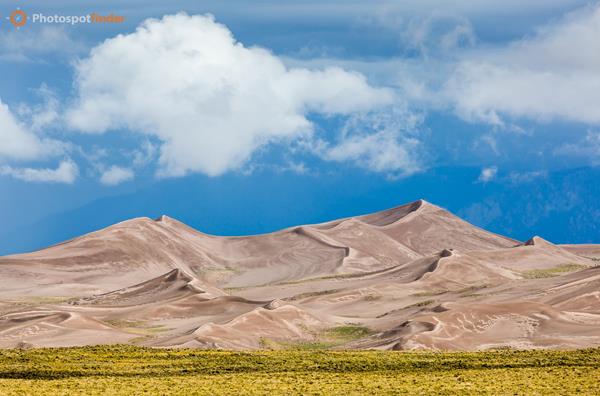
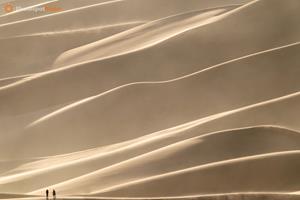
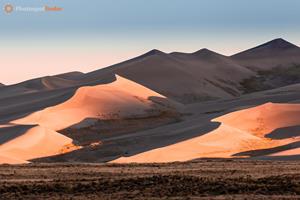
Main Dune Field: The main dune field offers sweeping views of the tallest sand dunes in North America set against the dramatic Sangre de Cristo Mountains. Photographers can capture the flowing shapes and repeating ridges that define the landscape. Sunrise is particularly rewarding as the low light emphasizes the curves and textures of the sand, while sunset produces deep shadows and warm tones. Wide-angle lenses work well here, but telephoto shots can also isolate patterns and distant hikers for scale.High Dune: High Dune provides one of the best elevated viewpoints in the park and is a popular destination for landscape photographers. After hiking to the summit, you are rewarded with panoramic views stretching across the entire dune field and toward the surrounding mountains. The height allows you to capture layered dunes and dramatic shadow lines during golden hour. Photographers often use footprints or hikers climbing nearby ridges as foreground elements to emphasize the massive scale of the dunes and create depth in the composition.
Medano Creek: Medano Creek flows seasonally along the base of the dunes and creates unique photography opportunities when water is present. The shallow creek can reflect the dunes and sky, producing calm mirror-like compositions during early morning. Photographers often capture ripples in the sand beneath the water for added texture and interest. In spring and early summer, the flowing water adds movement and contrast to the otherwise dry environment. Soft morning light helps preserve reflections and produces balanced exposures across sand, water, and sky.
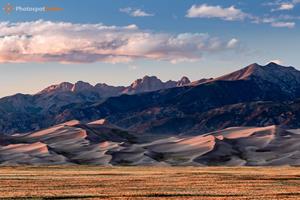
Sangre de Cristo Mountain Backdrop: The rugged Sangre de Cristo Mountains rise behind the dunes, creating a dramatic backdrop and adding depth to photos taken in the park. You can frame the peaks with dune ridges, grasses, or Medano Creek in the foreground to build up layers in your landscape shots. In the early morning, sunlight highlights the mountains and leaves shadows on the dunes. Later in the day, warm light covers both the mountains and the sand. Using a telephoto lens helps bring the scene together and makes the contrast between the dark mountains and pale sand stand out.
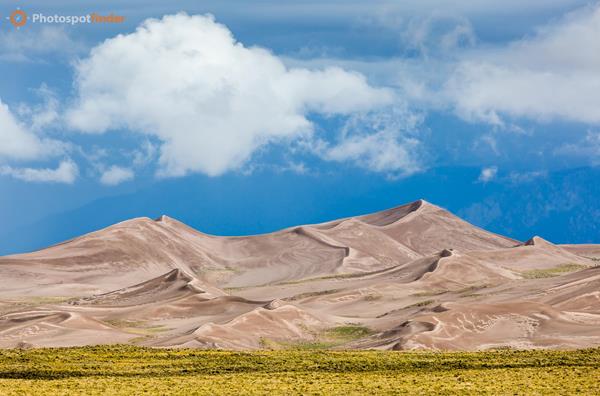
Colorado Highway 150 Scenic Pullouts: As you drive along Colorado Highway 150 toward the park, you’ll find several scenic pullouts with wide views across the San Luis Valley to the dunes and the Sangre de Cristo Mountains. These spots are great for taking landscape photos before you even enter the park. Early morning or evening light can make the dunes glow from afar, and clouds often add extra drama to the sky. Many photographers use grasses, fences, or roadside features in the foreground to frame the distant dunes and create balanced, layered shots.
Zapata Falls Overlook: Just a short drive south of the park, Zapata Falls offers high-up views over the San Luis Valley and the dune field. From here, you can photograph the dunes as part of a larger scene, with mountains and wide-open skies in the background. Sunrise is a great time to visit, as soft light fills the valley. Along the road to the trailhead, you’ll also find several natural pullouts where you can stop and capture wide-angle shots.
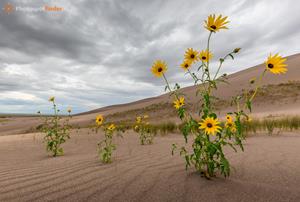
Montville Nature Trail Area: The Montville Nature Trail runs along the edge of the dune field and offers a quieter spot for photography, away from the park’s busiest areas. In this area, scattered plants, trees, and open sand make great foreground subjects, adding variety to your landscape photos. You can frame the dunes through branches or grasses to create a more layered look. Early morning light is especially good here, giving soft contrast and bringing out the textures in the sand and nearby plants.
Mosca Pass Trailhead Views: The Mosca Pass Trailhead gives you a new view of the area, with its forested slopes and the Sangre de Cristo Mountains. As you walk along the lower parts of the trail, you can look back and see the San Luis Valley and the distant dunes—perfect for photos. In autumn, the aspen leaves turn color, making the scenery even more beautiful. The combination of forest, mountains, and far-off desert creates a striking contrast you won’t find elsewhere in the park.