Best Landscape Photography Spots in Grand Canyon National Park
Location & Landscape
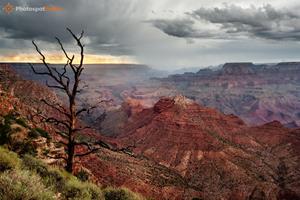
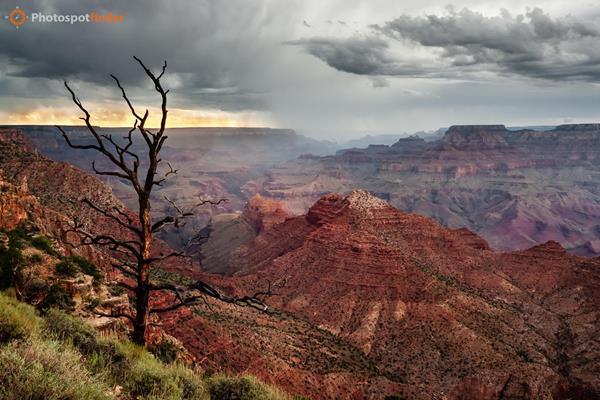
Grand Canyon National Park, established in 1919, spans over 1.2 million acres in northern Arizona. The canyon stretches about 277 miles and reaches depths over 6,000 feet. It was formed by the Colorado River, which carved through layered rock formations over millions of years. The South Rim is open year-round and offers the most visited viewpoints. The North Rim is more remote, higher in elevation, and usually accessible only from mid-May to mid-October because of snow. It features denser forests and cooler temperatures, providing a different photographic atmosphere than the more open South Rim. The region is generally arid, with strong seasonal variation and rapidly changing weather. Sunrise and sunset are the best times for photography, as low-angle light enhances canyon depth and color transitions.Top Photo Opportunities
Bright Angel Point – North Rim: Bright Angel Point is one of the most accessible viewpoints on the North Rim, near the Grand Canyon Lodge. A short paved trail leads to a narrow promontory with sweeping views into the canyon. The elevated position provides a strong sense of depth, with a forested foreground contrasting the vast canyon beyond. Sunrise is especially effective as the light gradually illuminates the opposite canyon walls, revealing layered rock formations. The North Rim’s higher elevation and cooler air often bring clearer visibility than the South Rim.Cape Royal – North Rim: Cape Royal is one of the most expansive viewpoints on the North Rim, accessible by a scenic drive and a short walk. It offers a wide-angle view of the canyon, including the Colorado River far below and layered formations stretching into the distance. The viewpoint is especially effective at sunset when warm light enhances the canyon walls' color and creates strong depth across the landscape. Nearby features, such as Angels Window, offer framing opportunities, allowing photographers to incorporate natural rock arches into compositions. The large open viewing area offers flexibility in framing and perspective, making it ideal for wide landscapes and more structured compositions.
Point Imperial – North Rim: Point Imperial is the highest viewpoint in Grand Canyon National Park, offering a dramatic view of the eastern canyon. Photographers can capture vast layers of cliffs, mesas, and distant desert landscapes extending toward the Painted Desert. Sunrise is powerful here because early light reveals texture and color variation across the canyon walls. The elevated position provides a sense of scale hard to match elsewhere in the park. Foreground vegetation and rim edges can anchor compositions. Clear atmospheric conditions are important since haze reduces the visibility of distant formations.
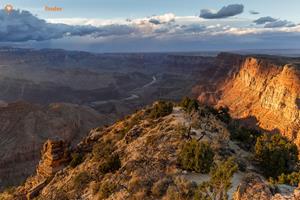
Desert View – East Rim: Desert View at the eastern end of the South Rim offers expansive views of the Grand Canyon and the Colorado River as it winds through layered cliffs and mesas. The overlook offers one of the widest eastern perspectives in the park, with clear views of geological formations stretching into the distance. The nearby Desert View Watchtower can serve as a vertical foreground element, adding scale and architectural contrast to the natural landscape. However, many compositions work best by focusing entirely on the canyon itself. The elevated position lets photographers explore multiple framing options along the rim.
Moran Point – East Rim Drive: Moran Point offers a wide, balanced view of the canyon with clear visibility of layered rock formations and the Colorado River below. It is accessible from Desert View Drive and provides multiple natural framing opportunities using foreground rock formations. Morning and late afternoon light both work well. Sunrise reveals subtle color shifts, while sunset enhances contrast and texture. The composition changes with your position along the rim, allowing varied interpretations of the same scene. Weather can add depth, especially when clouds cast shadows across the canyon walls.
Lipan Point – East Rim Drive: Lipan Point offers one of the most expansive views of the Colorado River as it winds through the canyon. Located along Desert View Drive, it provides a clear vantage point with strong foreground cliffs and distant canyon layers. Sunrise is especially effective because the light highlights the river’s path and enhances color variation in the rock formations. The viewpoint is less crowded than those at central South Rim locations, allowing for more flexible composition.
Mather Point – South Rim: Mather Point is one of the most accessible and iconic viewpoints on the South Rim, near the main visitor area. It offers a wide panoramic view of the canyon with layered rock formations descending toward the Colorado River. Early morning light reveals details across the canyon walls, while sunset enhances warm tones and depth. Rocky edges in the foreground help frame the composition. Small shifts in viewpoint create different alignments of canyon layers and foreground elements.
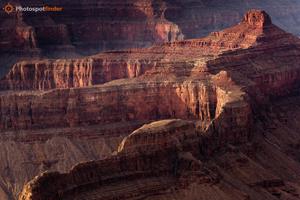
Yavapai Point – South Rim: Yavapai Point offers one of the clearest and most structured views of the canyon near the Yavapai Geology Museum. The slightly elevated viewpoint shows a strong cross-section of canyon layers and the Colorado River far below. The large viewing area lets photographers explore multiple compositions along the rim. Morning light often provides the clearest light, reducing haze and revealing geological detail across rock strata. Late-afternoon light enhances contrast and shadows, emphasizing the canyon’s depth. The combination of interpretive elements and wide views makes this location especially useful for understanding and photographing the canyon’s structure.
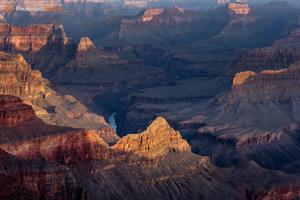
Hopi Point – South Rim: Hopi Point is a popular sunset spot along the South Rim, extending into the canyon with broad western views. It offers an unobstructed view of layered cliffs and deep canyon formations. At sunset, light moves across the canyon walls, creating a strong contrast between illuminated and shadowed areas. The rock's changing colors are especially visible during the golden hour. Crowds are common, so arriving early is important to secure a stable composition.
South Kaibab Trail – Ooh Aah Point – South Rim: Ooh Aah Point is a mid-trail viewpoint on the South Kaibab Trail that offers a more immersive canyon experience. The steep descent creates strong foreground slopes leading into the vast canyon below. Sunrise is ideal because soft light gradually reveals texture in the immediate foreground and spreads across the canyon layers. The trail can serve as a leading line, guiding the viewer’s eye into the composition. Due to the elevation change, lighting conditions shift quickly. Timing is important to capture optimal contrast and depth.