Best Landscape Photography Spots in Bryce Canyon National Park
Location & Landscape
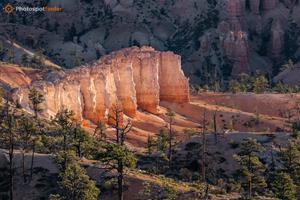
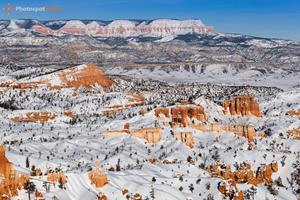
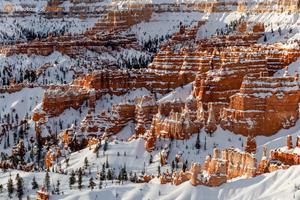
Bryce Canyon National Park, established in 1928, sits along the Paunsaugunt Plateau in southwestern Utah. The park is not a canyon in the traditional sense but a series of natural amphitheaters carved into the plateau’s edge. Elevations range from about 8,000 to over 9,000 feet, leading to cooler temperatures and occasional snow outside winter months. The terrain features layered limestone, sandstone, and shale formations shaped into hoodoos by freeze-thaw cycles. The main road runs along the plateau and provides access to major viewpoints, with short walks needed for most overlooks. Seasonal changes bring varying photographic conditions, from snow-covered hoodoos in winter to clear, dry air in summer. Early morning and late afternoon offer the best light, while midday highlights the intricate textures of the formations.Top Photo Opportunities
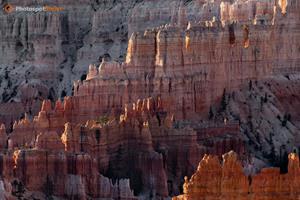
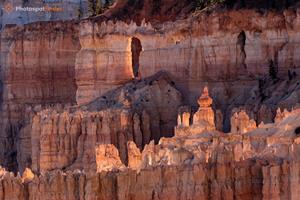
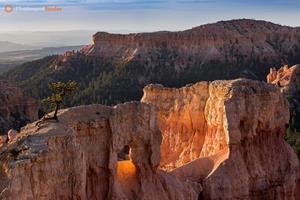
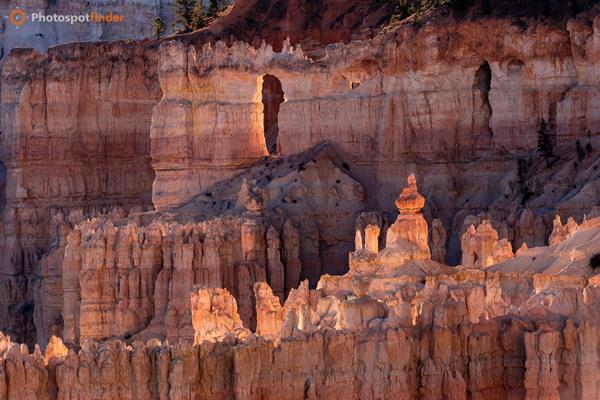
Sunrise Point: Sunrise Point overlooks the Bryce Amphitheater and is one of the most accessible and rewarding spots for early morning photography. The first light illuminates the hoodoos directly, creating strong contrast between lit formations and shadowed recesses. The descending trail from this viewpoint offers additional angles looking back toward the amphitheater. Its elevated position allows wide compositions that include both foreground formations and distant plateaus.Sunset Point: Despite its name, Sunset Point is effective throughout the day, especially in late afternoon when side lighting enhances the texture of Thor’s Hammer and the surrounding hoodoos. This viewpoint offers a closer perspective than Sunrise Point, allowing for more detailed compositions. The rim trail connecting Sunset Point to nearby overlooks provides multiple vantage points within a short walk. Shadows lengthen as the sun lowers, adding depth and dimension to the scene.
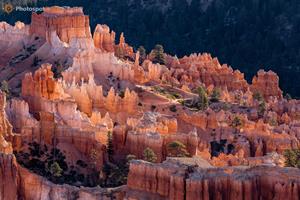
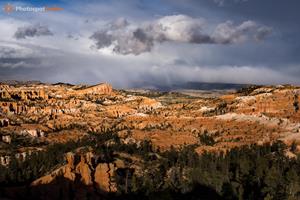
Inspiration Point: Inspiration Point has multiple tiered overlooks, each offering a different elevation and perspective of Bryce Amphitheater. The varying heights let photographers experiment with layered compositions that emphasize the scale and density of the hoodoos. Morning light works well here. The location is versatile throughout the day because of its wide viewing angles. The upper viewpoint provides a sweeping panorama. The lower levels allow for more intimate framing. Moving between these levels helps identify optimal compositions as light shifts across the formations.
Bryce Point: Bryce Point captures dramatic sunrise lighting across the amphitheater from a slightly different angle than Sunrise Point. The elevated overlook offers a sweeping view with strong leading lines formed by ridges and clusters of hoodoos. In the early morning, low-angle light accentuates textures and creates pronounced shadows. Atmospheric conditions like mist or haze can enhance depth in the scene. The short walk from the parking area makes it accessible. However, timing is essential to capture the most dynamic light.