Best Landscape Photography Spots in Big Sur, California
Location & Landscape
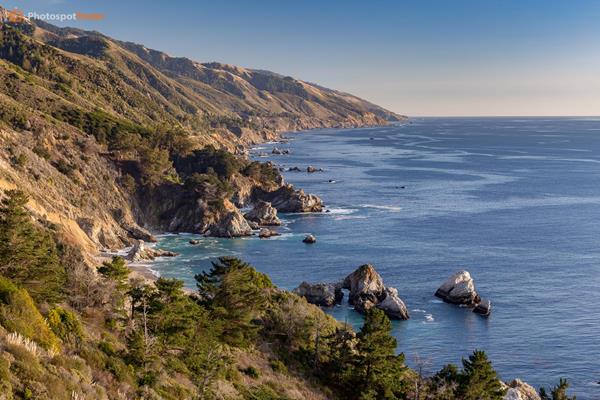
Big Sur stretches roughly 90 miles along California’s central coastline between Carmel and San Simeon. The region’s terrain includes steep coastal cliffs, rocky beaches, dense redwood and mixed forests, mountain ridges, and dramatic waterfalls that drop directly onto the shoreline. The Pacific Ocean shapes the landscape with surf, tides, and fog, while inland hills provide elevated viewpoints and forested trails.Access to photographic locations is primarily via the Pacific Coast Highway (Highway 1), scenic pullouts, and short hiking trails. Seasonal changes dramatically influence the landscape: summer offers clear skies and vibrant ocean hues, fall brings soft light and golden tones, winter produces stormy surf and dramatic skies, and spring reveals wildflowers along coastal trails. Trails range from easy beach walks to moderate cliffside hikes, with some areas requiring caution due to steep terrain. Early morning or late afternoon provides optimal lighting, enhancing cliffs, waterfalls, and coastal textures.
Top Photo Opportunities
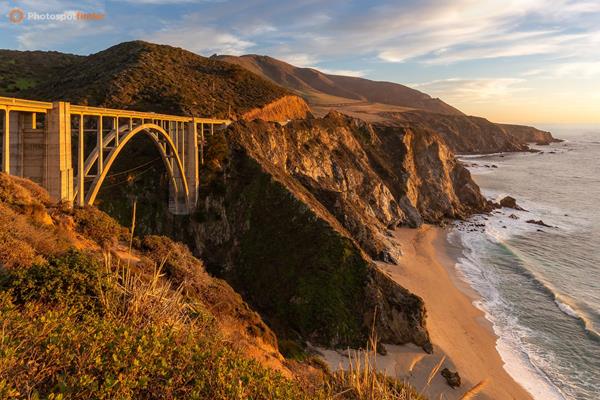
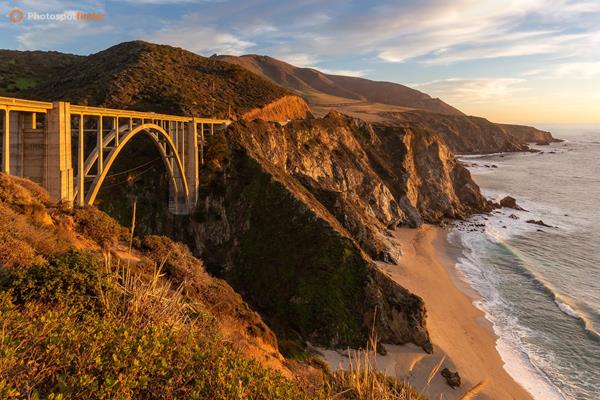
Bixby Creek Bridge: One of the most photographed bridges along the Pacific Coast Highway, Bixby Creek Bridge is framed by steep cliffs and ocean views. Sunrise and sunset provide warm light and dramatic shadows, while fog enhances the bridge’s scale and atmosphere.McWay Falls: An 80-foot waterfall cascading directly onto the beach at Julia Pfeiffer Burns State Park. Sunrise and late afternoon light highlight the waterfall, beach, and surrounding cliffs. Long exposures smooth the ocean for ethereal seascapes.
Pfeiffer Beach: Famous for its purple sand, rock formations, and the Keyhole Arch, this beach offers dynamic seascapes, especially at sunset. Waves streaming through the arch provide dramatic foreground interest for long exposures.
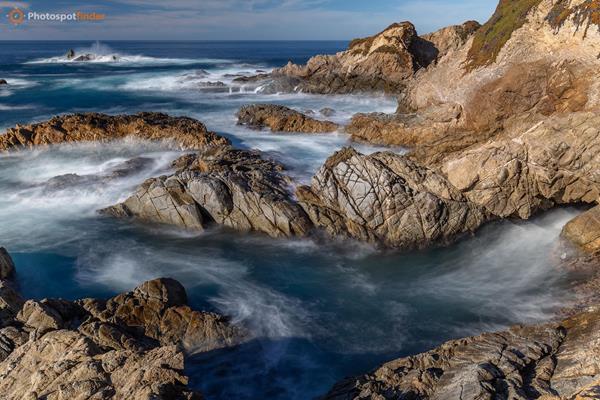
Partington Cove: A secluded cove with a narrow beach, cliffside trail, and small waterfall. Low-angle morning light enhances textures in rocks and water, while the cove’s composition allows for dramatic framing and intimate coastal shots.
Garrapata State Park: Coastal bluffs, beaches, and hiking trails provide sweeping ocean vistas and wildflower-strewn landscapes in spring. Sunrise or late afternoon light accentuates rolling hills and cliffs against the Pacific.
Limekiln State Park: Dense redwood groves, historic lime kilns, and waterfalls create unique forest and waterfall compositions. Morning light filtering through the canopy highlights textures and shadows in the forest floor and streams.
Photography Considerations
Foreground interest, such as driftwood, tidepools, rocks, wildflowers, and fallen logs, helps anchor compositions. Leading lines from cliffs, trails, streams, or the Pacific Coast Highway guide the viewer’s eye. Fog, mist, or stormy conditions add mood and drama, while calm ocean conditions allow for reflective water and smooth long exposures.Recommended gear includes wide-angle lenses for cliffs, beaches, and panoramic vistas, telephoto lenses for distant waterfalls, wildlife, or coastal features, and a tripod for long exposures at low-light conditions or for smoothing water. Neutral density and polarizing filters enhance colors and control reflections. Patience is essential for capturing optimal lighting, surf, cloud formations, and fog. Exploring multiple angles from cliff overlooks, beaches, trails, and forested areas maximizes composition variety and seasonal diversity.
Visitor Tips & Key Notes
Plan visits for early morning or late afternoon to capture the best light and avoid crowds. Trails range from easy beach walks to moderate cliff hikes; suitable footwear and layered clothing are recommended for coastal winds and variable temperatures. Seasonal changes provide unique photographic opportunities: spring wildflowers, summer sunsets, fall light, and winter storms.Exploring scenic pullouts, beaches, cliffs, and trails allows photographers to capture diverse perspectives. Revisit locations under different tide, fog, and weather conditions for maximum variety. Photographers can use our interactive map, images, and other resources to efficiently plan their shoots. Sharing experiences or insights in our comment section helps other photographers discover new angles and enjoy Big Sur’s dramatic coastal beauty.